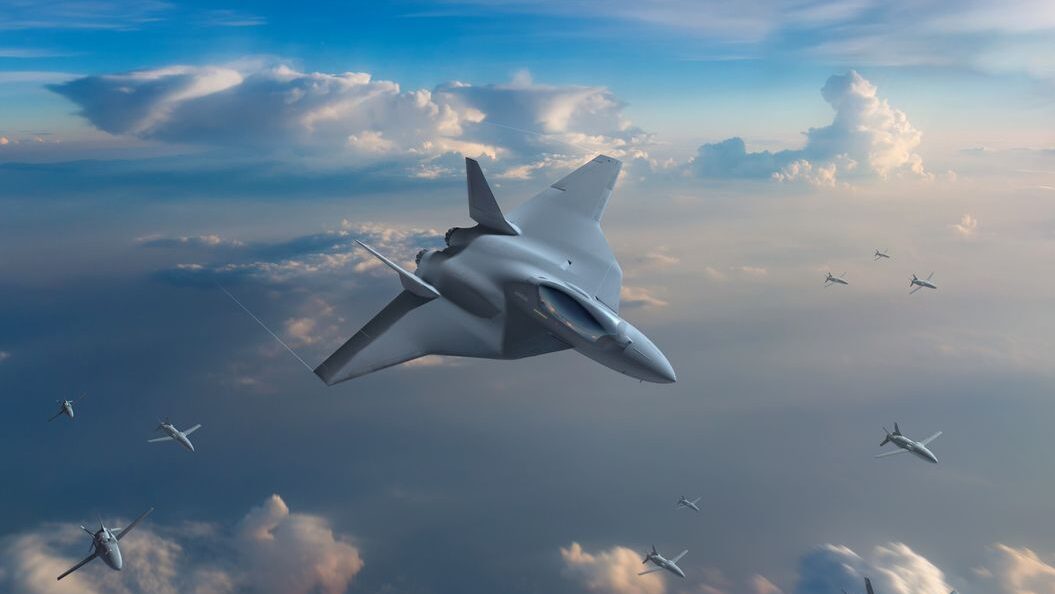
BERLIN – Following the formal dissolution of the Future Combat Air System (FCAS) program, Germany is actively exploring multiple pathways to secure its next-generation air combat capabilities. Defense Minister Boris Pistorius recently outlined a trio of strategic options aimed at addressing the nation’s urgent requirement for advanced fighter aircraft. This reevaluation comes as the German Air Force chief underscored the necessity for a “fifth-generation-plus” platform to be in development or acquisition by 2035.
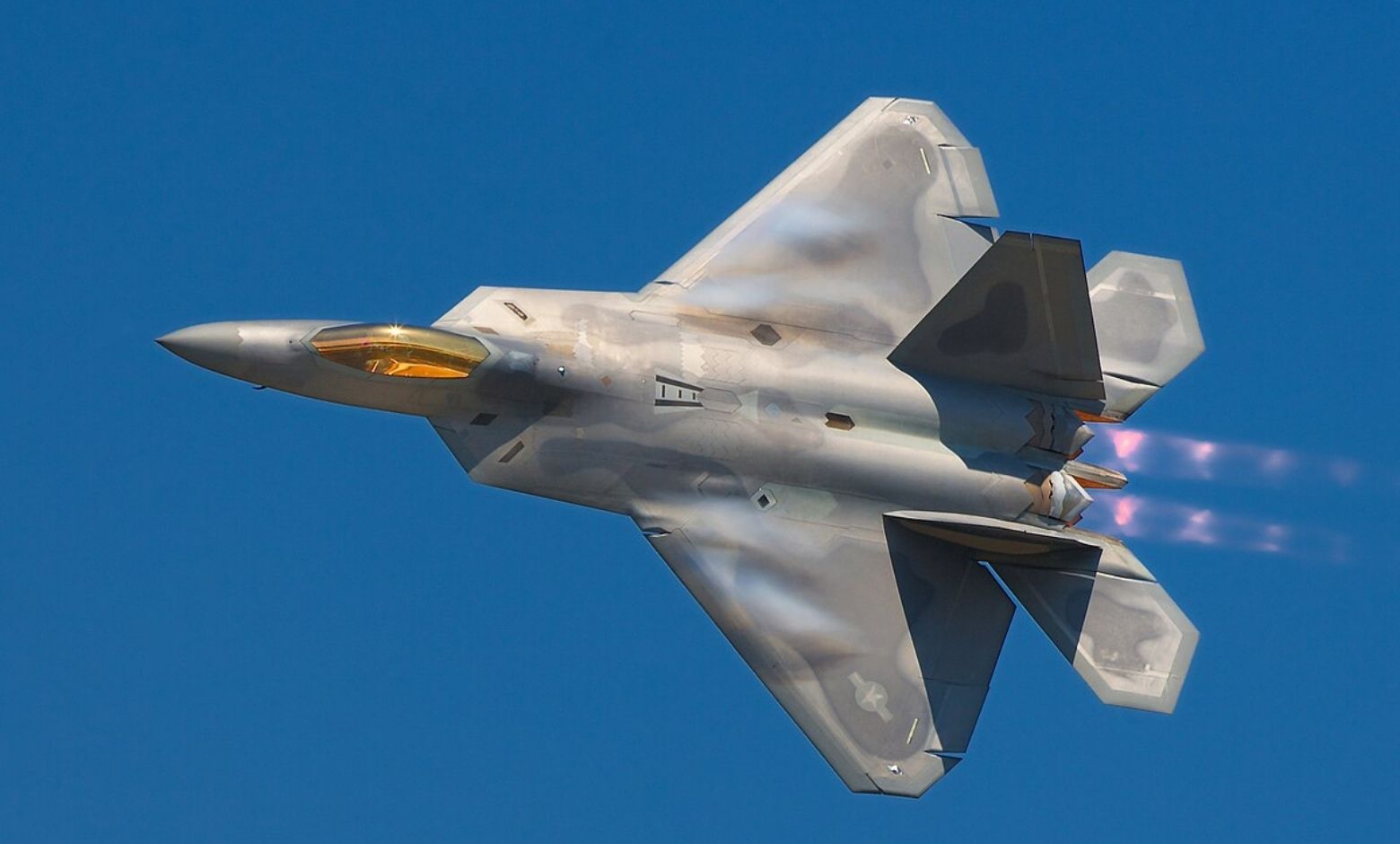
Minister Pistorius indicated that Berlin is considering whether to acquire additional F-35 Lightning II fifth-generation combat aircraft as an interim “bridge” solution. Concurrently, the nation is weighing the possibility of integrating into an existing international sixth-generation program or spearheading a nationally led development effort, potentially helmed by aerospace giant Airbus. Pistorius alluded to a potential “fourth option,” though he refrained from disclosing details, emphasizing that no definitive decision has been reached.
Speaking at the Berlin Air Show, Lieutenant General Holger Neumann, Chief of the German Air Force, reiterated the service’s commitment to a manned platform capable of seamless integration into a ‘combat cloud’ – a concept mirroring advanced networking strategies pursued by nations within the Global Combat Air Programme (GCAP) alliance, including the US and UK. General Neumann, while declining to comment on the FCAS project’s demise, affirmed his directive to the German Ministry of Defense for the procurement of “fifth-gen-plus platforms beyond 2035,” clarifying that while the system need not be operational by then, the foundational acquisition process must commence.
The strategic pivot by Berlin follows Monday’s official termination of the New Generation Fighter (NGF), the core component of FCAS. The project had been plagued by persistent disputes over leadership and industrial workshare between Airbus and its French partner Dassault. Prior to this collapse, and perhaps in anticipation of the current options, Airbus had already initiated discussions for a two-tiered approach, proposing a collaborative sixth-generation fighter development with other interested industrial partners, distinct from France’s potential independent path.
Adding to the evolving landscape, reports indicate Airbus is championing a new NGF alternative to Berlin. Under the banner of “Team Gen 6,” this initiative brings together eight prominent European aerospace and defense suppliers, including Autoflug, Diehl Defence, Hensoldt, Liebherr, MBDA, MTU Aero Engines, and Rohde & Schwarz, signaling a robust national industrial effort towards cutting-edge fighter technology.
Disclaimer: This content has been aggregated and reported by our automated systems.

admin