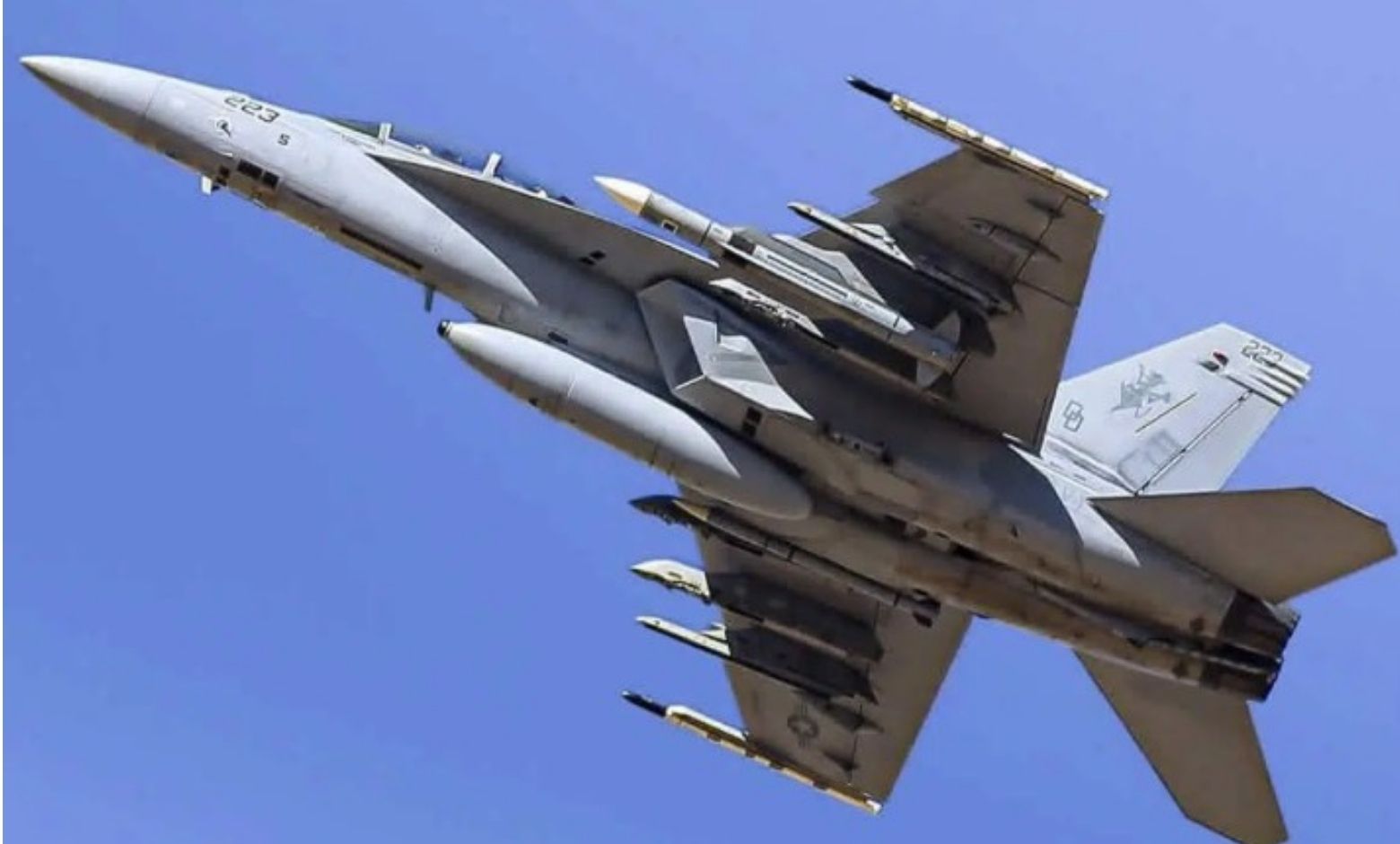
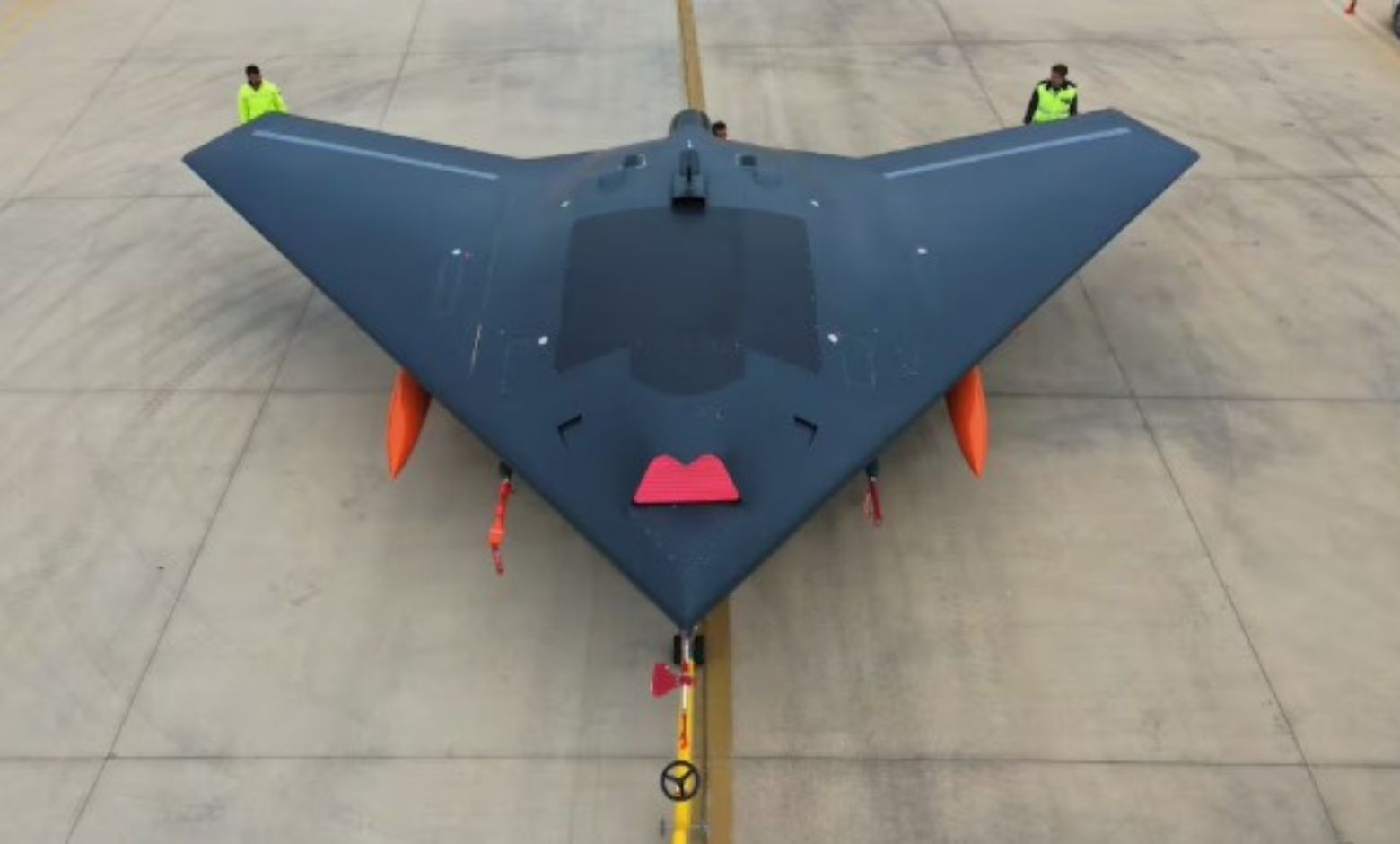
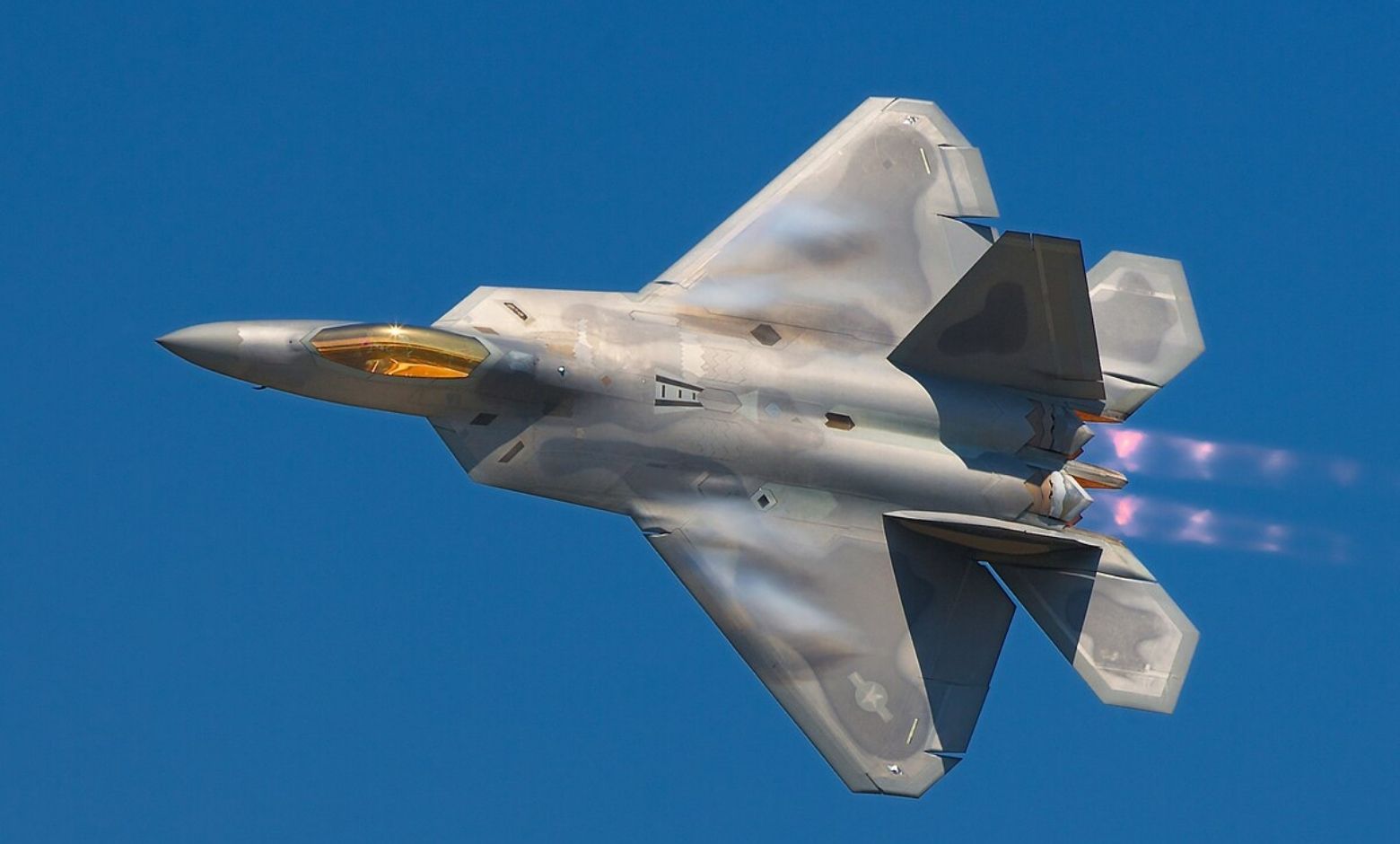
Boeing Australia and Rheinmetall have formally submitted a joint proposal to Germany for the MQ-28 Ghost Bat, aiming to accelerate the Bundeswehr’s acquisition of a Collaborative Combat Aircraft (CCA) capability. The offering targets an ambitious operational timeline of 2029, enabling Germany to rapidly deploy advanced uncrewed combat aircraft to operate alongside its manned fighter fleet.
Under the terms of the proposal, Rheinmetall is slated to establish an independent system integration infrastructure within Germany. This critical facility will be responsible for equipping the MQ-28 platform with indigenous German sensors, weapon systems, and mission software, ensuring national sovereignty over key technological aspects. Rheinmetall will also assume the role of the MQ-28’s system prime in Germany, overseeing the platform’s adaptation to specific national requirements, its in-country operations, maintenance protocols, and integrated logistics support.
Armin Papperger, CEO of Rheinmetall AG, underscored the strategic importance of this partnership, stating, “Our collaboration with Boeing Defence Australia lays the groundwork for tailoring the MQ-28 to optimally meet the Bundeswehr’s stringent demands. As the designated system integrator, Rheinmetall will ensure a streamlined approach to integration, operation, and ongoing development, while simultaneously bolstering local value creation through the establishment of an industrial hub within Germany and across Europe.”
The initiative emphasizes deep national industrial participation. Beyond Rheinmetall, the program aims to involve prominent German defense firms such as Diehl Defence, Rohde & Schwarz, and HENSOLDT, with a strong focus on retaining software development, mission integration, and intellectual property within Germany. Engineers from both Germany and Australia will collaboratively develop, test, and validate new software and hardware solutions within a dedicated digital working environment established in Germany. This joint effort is designed to progressively increase the share of German systems and components integrated into the MQ-28.
Germany’s requirement for CCAs could potentially reach up to 400 aircraft. This procurement drive falls under the national Combat Fighter System Nucleus (CFSN) initiative, which Germany established following challenges with the New Generation Fighter component of the Future Combat Air System (FCAS) program, originally pursued with France and Spain. The CFSN endeavor is designed to unify manned and unmanned combat aircraft assets under a cohesive operational framework.
Boeing and Rheinmetall assert that leveraging the flight-proven MQ-28 Ghost Bat offers Germany a direct path to achieving operational CCA capabilities by 2029, bypassing the extensive development timeline associated with designing an entirely new uncrewed combat aircraft from scratch. The MQ-28, initially developed in Australia for the Royal Australian Air Force and other allied nations, has already completed over 150 test flights, demonstrating its maturity and reliability.
This autonomous platform, engineered to operate in close conjunction with manned fighter aircraft, is highly adaptable. Its capabilities span diverse mission profiles, including advanced reconnaissance, sophisticated electronic warfare, and precision weapon system integration. The MQ-28’s open and modular system architecture is a key feature, facilitating the seamless integration of new software and hardware to continually evolve its capabilities in response to emerging operational requirements.
CCAs are envisioned as semi-autonomous combat aircraft capable of operating either independently or as force multipliers alongside manned platforms. These advanced systems are designed to undertake high-risk missions such as intelligence, surveillance, and reconnaissance (ISR), electronic attack, and strike operations, thereby reducing direct risk to human pilots while significantly augmenting combat capacity. Furthermore, CCAs offer the potential for high-volume procurement at a comparatively lower cost than traditional manned aircraft. Parallel development and testing activities for CCA platforms are also underway in the United States, with programs involving General Atomics’ YFQ-42A, Anduril’s YFQ-44A, and Northrop Grumman’s YFQ-48A.


admin