Recent intelligence reports indicate the discovery of an Nvidia Jetson Orin module within a Russian S-71M cruise missile. This small, commercially available chip, originally designed by an American company for hobbyist robotics and autonomous driving prototypes, has now been found embedded in one of Russia’s latest missile systems. Ukrainian intelligence sources suggest this module is critical for the missile’s targeting functionalities.
The Main Directorate of Intelligence (GUR) of Ukraine’s Ministry of Defense has formally reported that its specialists identified an Nvidia Jetson Orin module inside Russia’s new S-71M cruise missile, code-named Monokhrom (“Monochrome”). Known as a compact embedded computer widely utilized in commercial robotics and artificial intelligence applications, its presence suggests Moscow is covertly integrating American-designed AI hardware into weaponry designed for autonomous target acquisition and engagement, as highlighted by a report from Defence Blog.
The GUR made these findings public through its “War&Sanctions” online portal, which meticulously tracks foreign-manufactured components recovered from Russian armaments seized on the battlefield. In its latest update, the agency detailed 35 distinct electronic components extracted from weapons Russia is deploying against Ukraine. The GUR asserts that this expanding open database assists Kyiv and its allies in pressuring governments and manufacturers to close loopholes enabling sanctioned technologies to reach Russian production facilities.
According to the GUR, the Jetson module salvaged from the S-71M incorporates an internal camera and facilitates what the agency terms “terminal guidance.” This process involves the missile locking onto and steering towards its target during the final stages of flight, utilizing visual data processed through machine vision algorithms, rather than requiring real-time human operator input. The GUR noted that similar computer vision-based guidance technologies have previously surfaced in other Russian weapons, including the V2U attack drone and the Iranian-designed Shahed-236 loitering munition, which Russia has adapted and mass-produced for use against Ukrainian cities and infrastructure.
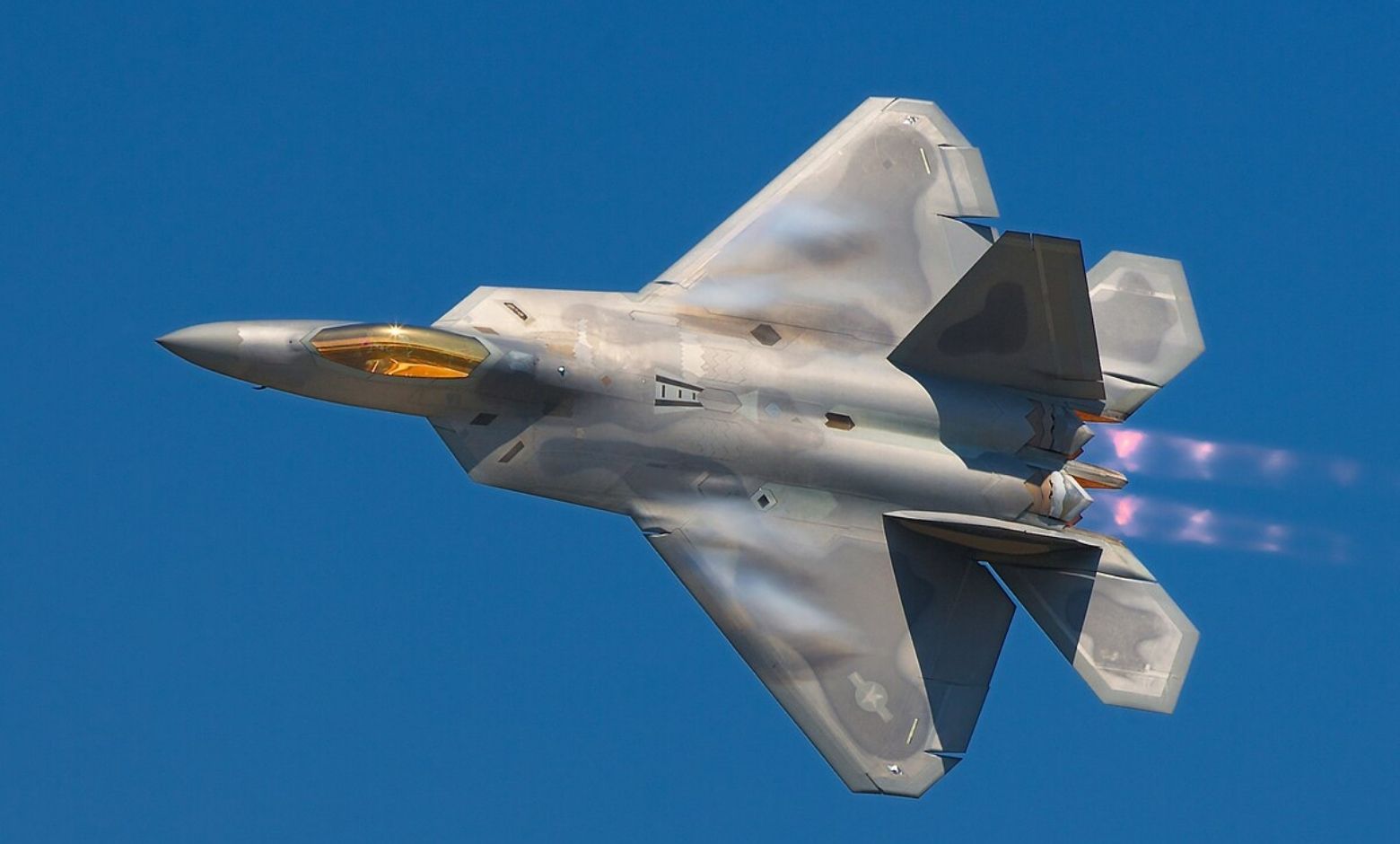
The S-71M Monokhrom represents Russia’s concerted effort to develop a missile capable of making increasingly autonomous decisions during its flight path. The GUR’s assessment outlines key specifications for the missile: it carries a 250-kilogram warhead, achieves speeds of 500 to 600 kilometers per hour, boasts a target range of 350 to 400 kilometers, and is launched from the Su-57 stealth fighter, Russia’s fifth-generation combat aircraft designed to rival the American F-22 and F-35.
The GUR indicates that the S-71M has been employed sparingly in the conflict since early 2026, suggesting Russia is likely still conducting operational tests before a wider deployment of this new weapon system. Prior open-source reports concerning the S-71 missile family described the Monokhrom variant as an autonomous attack weapon engineered to independently scan a target area, identify a target using an onboard database, and initiate an attack without awaiting human controller authorization. This capability positions it within a small but expanding category of weapons that can select and engage targets with minimal human oversight.
The Monokhrom is regarded as a more advanced iteration of an older missile in the same family, the S-71K, code-named Kover (“Carpet”). The GUR had previously characterized the S-71K as a stealth cruise missile with a low radar cross-section, specifically designed to evade Ukrainian air defense systems. It was reported to have been in combat use by Russia since late 2025, with a reported range of 350 kilometers.
However, a separate analysis shared by Status-6, an open-source defense analyst, estimates the S-71K’s range to be closer to 300 kilometers. This analysis also specifies that the missile’s warhead is based on the Soviet-designed OFAB-250-270, a 250-kilogram high-explosive fragmentation aerial bomb adapted for missile use, with its primary launch platform also being the Su-57. The discrepancy between the GUR’s stated range and the lower figure cited by Status-6 remains unresolved in current reports, as neither the Russian government nor the missile’s manufacturer, Sukhoi, has publicly confirmed either figure.
The GUR asserts that its experts, working in collaboration with researchers from Ukrainian scientific institutions, continue to analyze captured Russian weapons and meticulously trace the origins of their electronic components. Over the two years of managing the “War&Sanctions” portal, the agency claims to have identified a consistent pattern: despite comprehensive international sanctions imposed since Russia’s full-scale invasion began in 2022, Moscow has been unable to entirely replace foreign high-tech components with domestically produced alternatives. Through what the GUR describes as “grey market” supply networks circumventing export controls, Russia’s most advanced weapon systems continue to rely on parts sourced from the United States, Europe, and Asia.
Disclaimer: This content has been aggregated and reported by our automated systems.

admin