The U.S. Navy’s second Gerald R. Ford-class nuclear-powered aircraft carrier, USS John F. Kennedy (CVN-79), has embarked on its crucial acceptance trials, a significant phase preceding its official handover to the fleet. The formidable warship departed from Newport News, Virginia, on August 12, initiating a series of comprehensive at-sea evaluations. These trials are designed to rigorously assess the carrier’s vast array of fundamental systems and advanced aviation support capabilities, ensuring its operational readiness for active service within the naval fleet.
This latest deployment marks the second time CVN-79 has been at sea this year, following the successful conclusion of an eight-day shipyard trial period in February. The commencement of acceptance trials follows several adjustments to the vessel’s construction and testing schedule, primarily influenced by the extensive certification process required for its Advanced Arresting Gear (AAG) system and ongoing integration work on the Advanced Weapons Elevators (AWE). These advanced technologies are paramount for efficient aircraft recovery and rapid ordnance handling on the flight deck.
Huntington Ingalls Industries, the primary contractor for the carrier’s construction, confirmed the departure, highlighting the critical nature of these at-sea evaluations for the ship’s core components. Reports submitted to Congress and referenced by USNI News indicate substantial progress on the AWEs, with seven of the eleven units now fully functional. These operational elevators provide essential access to all ammunition magazines, allowing for continuous crew training and certification activities while the remaining four elevators are brought online.
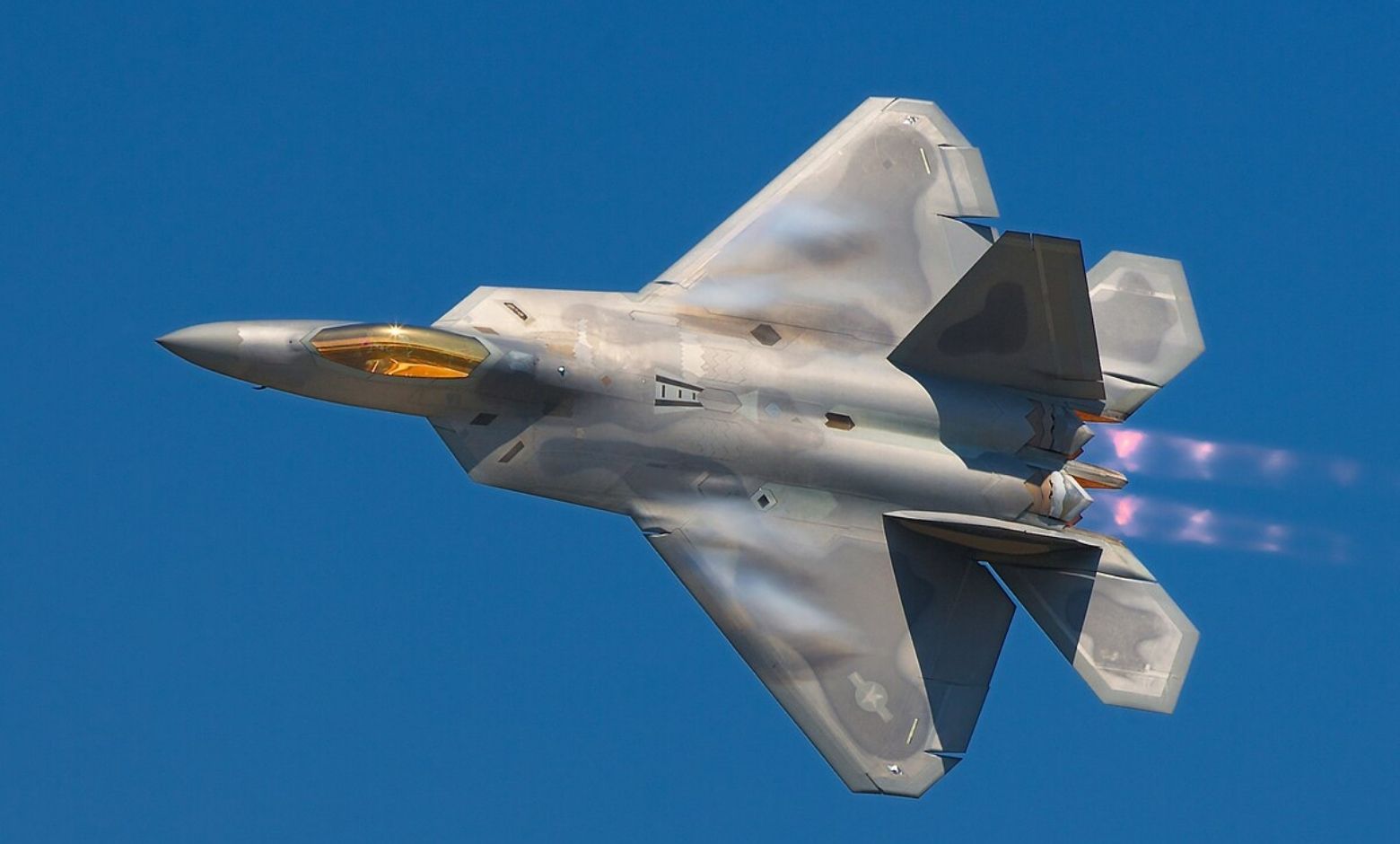
The integration of specific operational capabilities during the construction phase, which are typically incorporated post-delivery, also contributed to the revised timeline. Despite these complexities, the USS John F. Kennedy is now slated for delivery to the U.S. Navy in March 2027. Upon its inaugural operational deployment, CVN-79 is expected to be fully capable of supporting and operating the advanced F-35C Lightning II stealth fighter aircraft, poised to significantly enhance naval air power projection.
The USS John F. Kennedy represents a pivotal evolution in U.S. aircraft carrier design. While maintaining the formidable “supercarrier” dimensions—approximately 333 meters in length, a flight deck spanning about 77 meters in width, and a displacement exceeding 100,000 tons—the vessel incorporates the first comprehensive internal architectural redesign in decades. Its propulsion system features two A1B nuclear reactors, powering four shafts and enabling speeds in excess of 30 knots. This nuclear capability affords extended, long-duration deployments without the need for reactor refueling. However, the operational sustainment of its embarked air wing, ordnance stores, spare parts, and crew necessities remains contingent upon regular logistical resupply.
The development and fielding of the U.S. Navy’s next-generation aircraft carriers have, in general, experienced various delays, a testament to the immense complexity and stringent standards involved in bringing these critical strategic assets into service. The USS John F. Kennedy’s journey through its final testing phases exemplifies the rigorous process required before it can join the fleet.


admin