The ambitious endeavor by the U.S. Navy to revitalize its four public naval shipyards, critical for maintaining its nuclear-powered aircraft carrier and submarine fleets, is projected to incur nearly ten times the initial cost and take decades longer to complete than originally estimated.
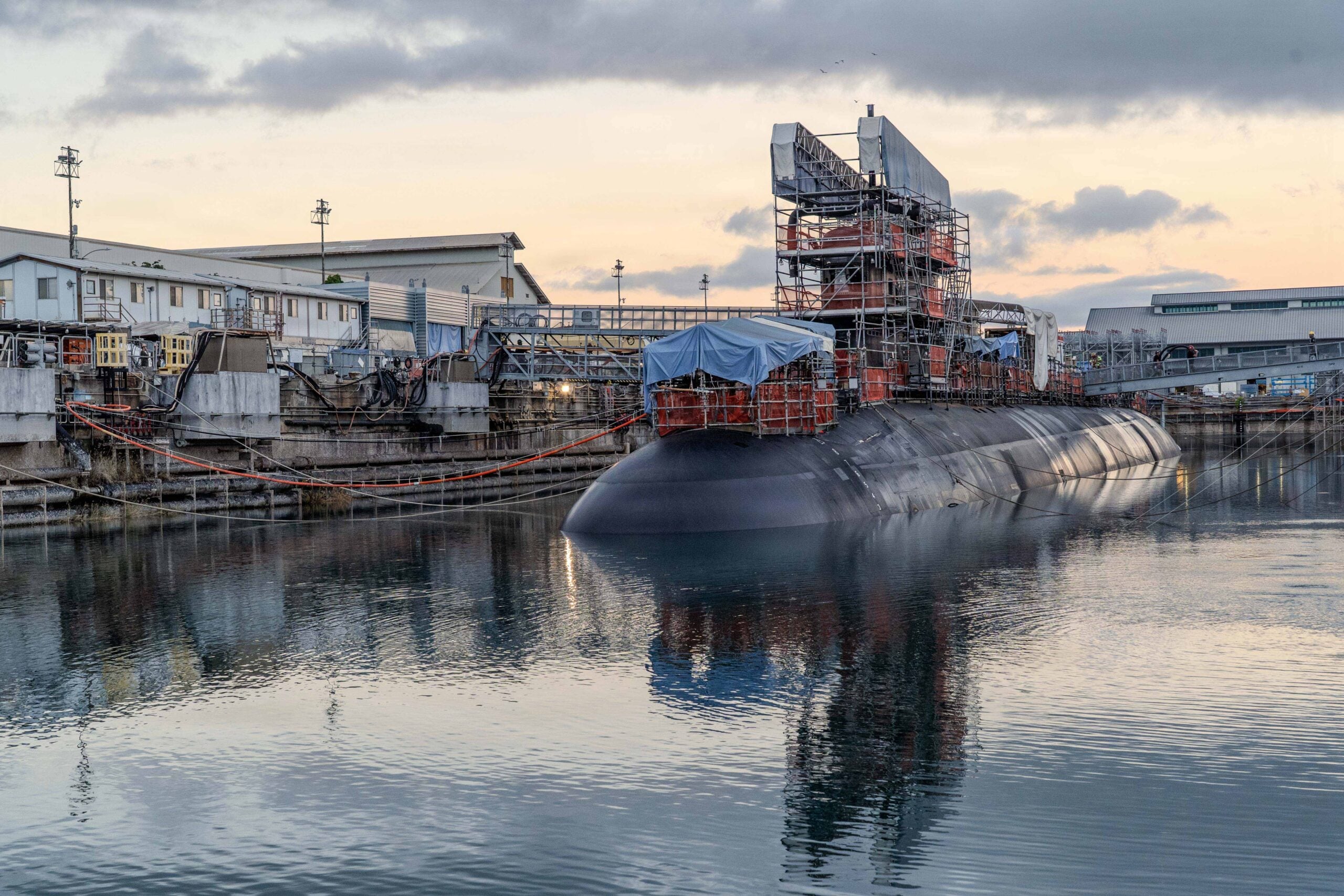
Launched in 2018, the Shipyard Infrastructure Optimization Program (SIOP) aims to modernize the aging dry docks and standard equipment across the Navy’s four operational public shipyards located in Virginia, Maine, Washington, and Hawaii. These facilities are indispensable for the essential maintenance and repair of the nation’s most formidable naval assets.
Initial projections for SIOP anticipated a 20-year timeline and an approximate cost of $21 billion. However, a recently released report by the Government Accountability Office (GAO) paints a starkly different picture, indicating that the project could extend over 50 years and potentially balloon to an staggering $200 billion. Navy officials had previously hinted to defense media that earlier estimates were outdated, but the GAO’s findings significantly underscore the scale of the cost and schedule revisions.
According to the GAO report, the initial estimates failed to account for “significant costs” and did not adequately factor in commodity price escalations. Furthermore, unforeseen complexities, such as seismic upgrade requirements at facilities like Puget Sound Naval Shipyard, necessitated extensive renovations and new construction, driving up expenses and adding substantial time to the SIOP initiative’s timeline. The report explicitly stated, “Developing plans and cost estimates for rebuilding the Navy’s four public shipyards has taken years longer and will cost significantly more than initially estimated due to numerous challenges and changes experienced in the program.”
Despite these challenges, Navy officials remain optimistic about the program’s long-term benefits. They previously projected a 10% improvement in aircraft carrier maintenance efficiency and a 15% improvement for submarine maintenance once SIOP is fully implemented. For instance, a typical submarine maintenance period, which currently ranges from 25 to 36 months, is expected to be reduced by approximately three months due to the program’s enhancements, thereby increasing fleet readiness and operational availability. Concurrently, calls persist for the establishment of a fifth public shipyard to further bolster aircraft carrier and submarine readiness, a push previously championed by former President Donald Trump.


admin