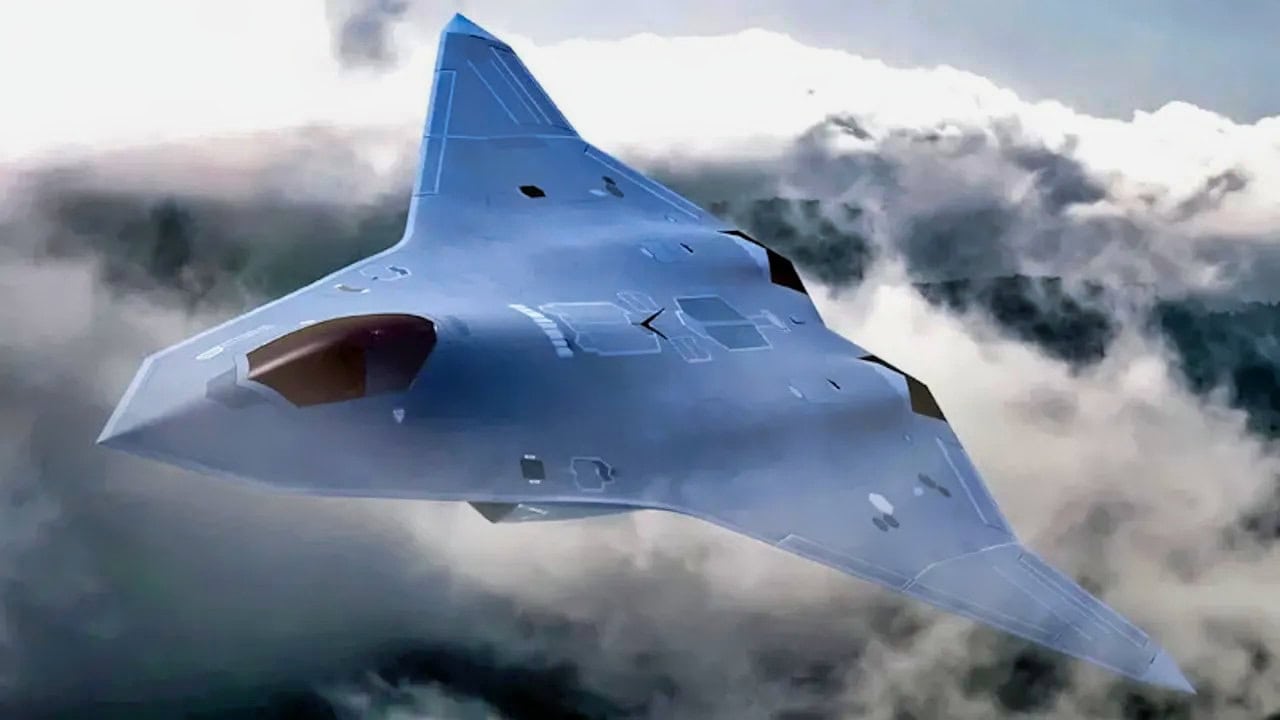
The United States Navy has officially selected Boeing for the development of its sixth-generation, carrier-based fighter, the F/A-XX, marking a significant strategic victory over competitor Northrop Grumman. The Pentagon formally announced the decision on September 29th, confirming a contract valuation exceeding $20 billion.
This comprehensive agreement encompasses the full-scale development phase and the procurement of numerous test aircraft essential for rigorous ground, airworthiness, system integration, and weapon integration trials.
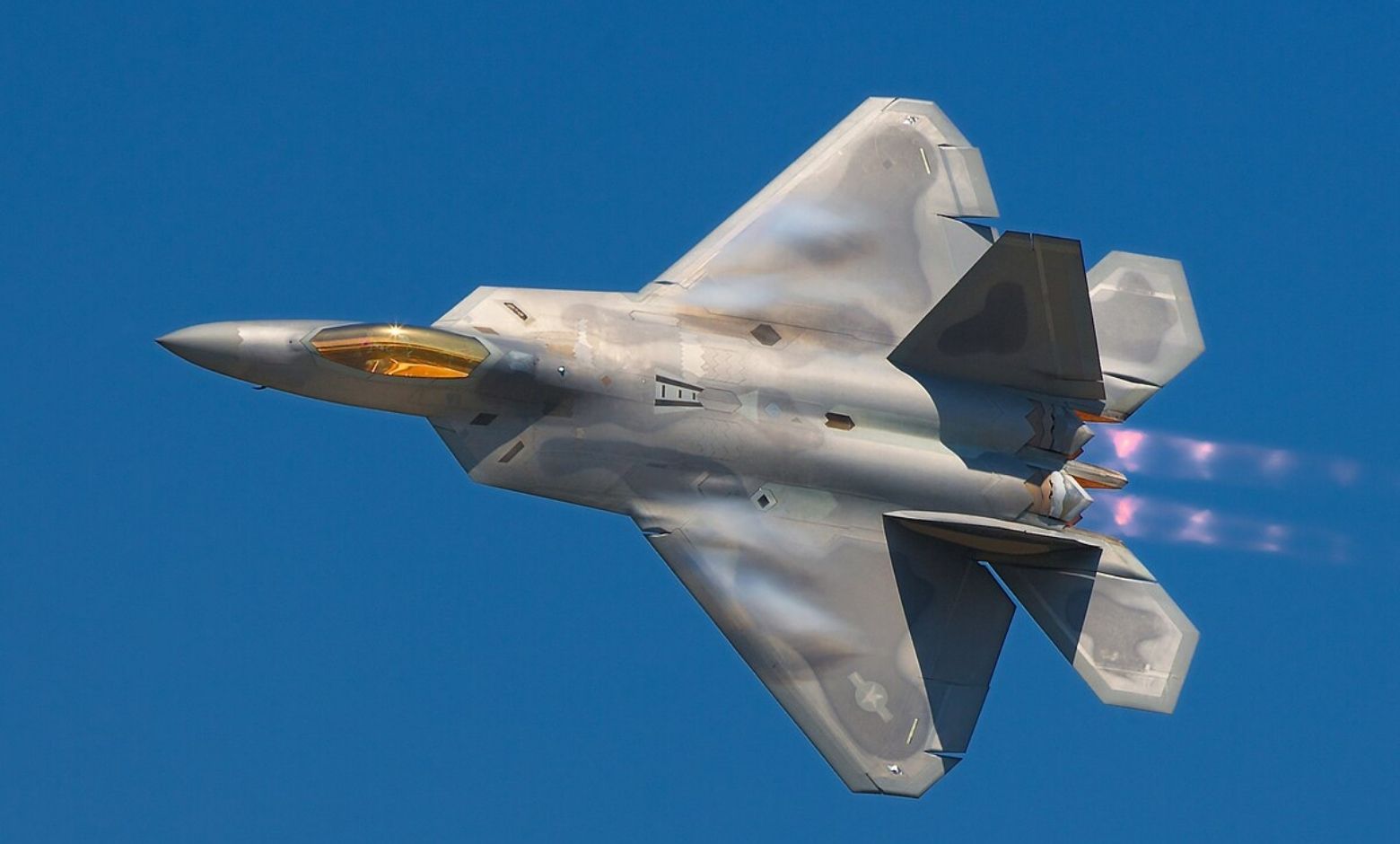
This win establishes Boeing as the sole prime contractor in the highly competitive U.S. sixth-generation fighter market. Earlier in March 2025, the aerospace giant had already secured the rights to develop and produce the U.S. Air Force’s next-generation fighter, designated F-47, which is slated to succeed the F-22 Raptor.
These dual triumphs effectively sideline Boeing’s primary rivals, Lockheed Martin and Northrop Grumman, from the American sixth-generation combat aircraft sector. This represents a remarkable corporate turnaround for Boeing, particularly given that the company was facing the potential cessation of fighter jet production entirely by early 2025.
The F/A-XX program itself has navigated a challenging developmental path. Lockheed Martin was previously eliminated during a preliminary selection round in March 2025. Subsequently, in June 2025, the Pentagon made the decision to pause the program due to budgetary constraints, casting significant doubt over its future. However, then-Secretary of the Navy John Phelan clarified in December that the program was “not dead,” assuring Congress that the aircraft would be crucial for ensuring naval air superiority.
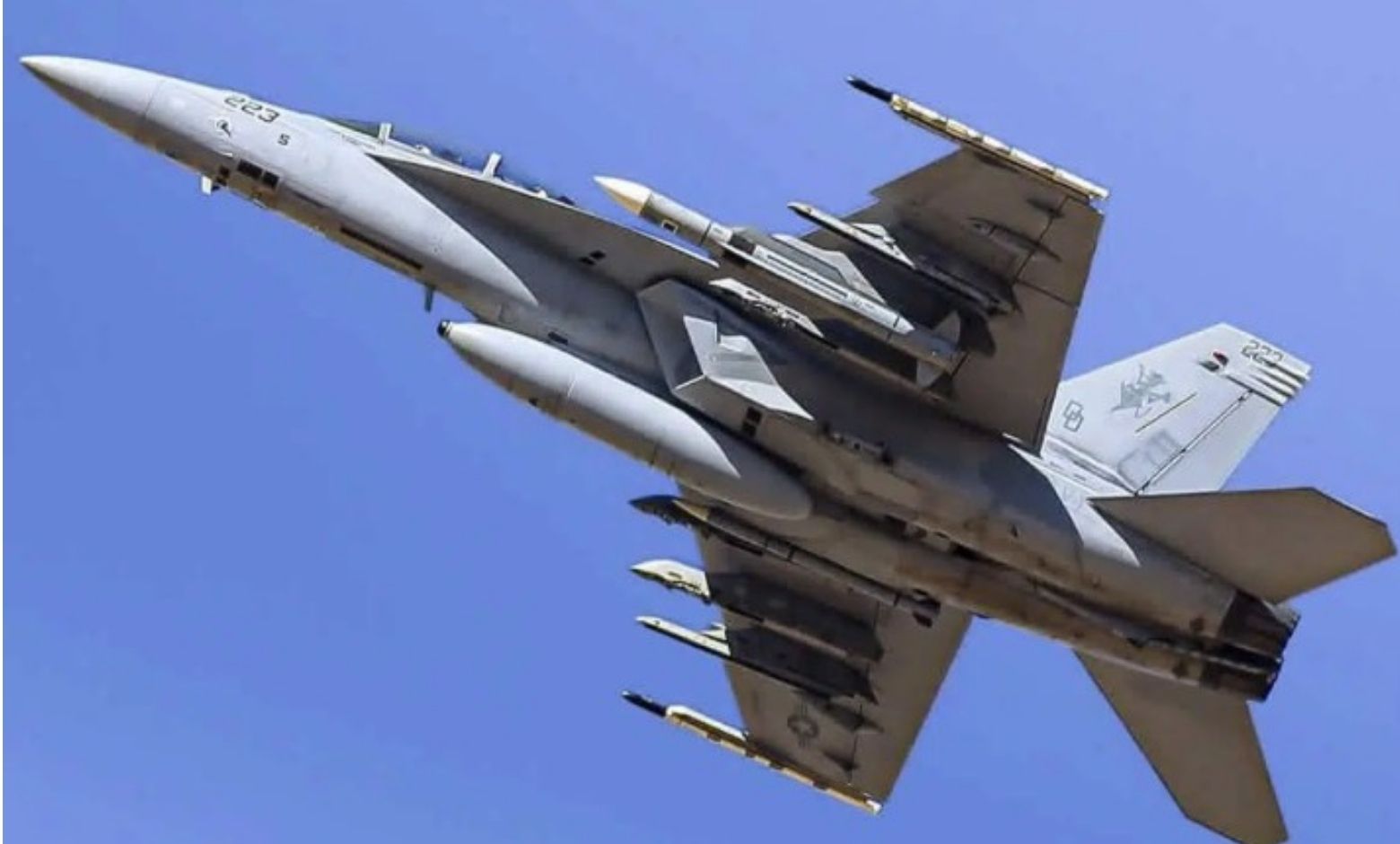
Admiral Daryl Caudle, Chief of Naval Operations, had initially indicated that the final prime contractor selection would be made by the end of August 2026. The announcement, however, came with a one-month delay, delivered just prior to the close of the fiscal year and before the allocated program budget expired. The F/A-XX is projected to commence replacing the U.S. Navy’s F/A-18E/F Super Hornet fleet from the 2030s onward, operating synergistically alongside the F-35C Lightning II.
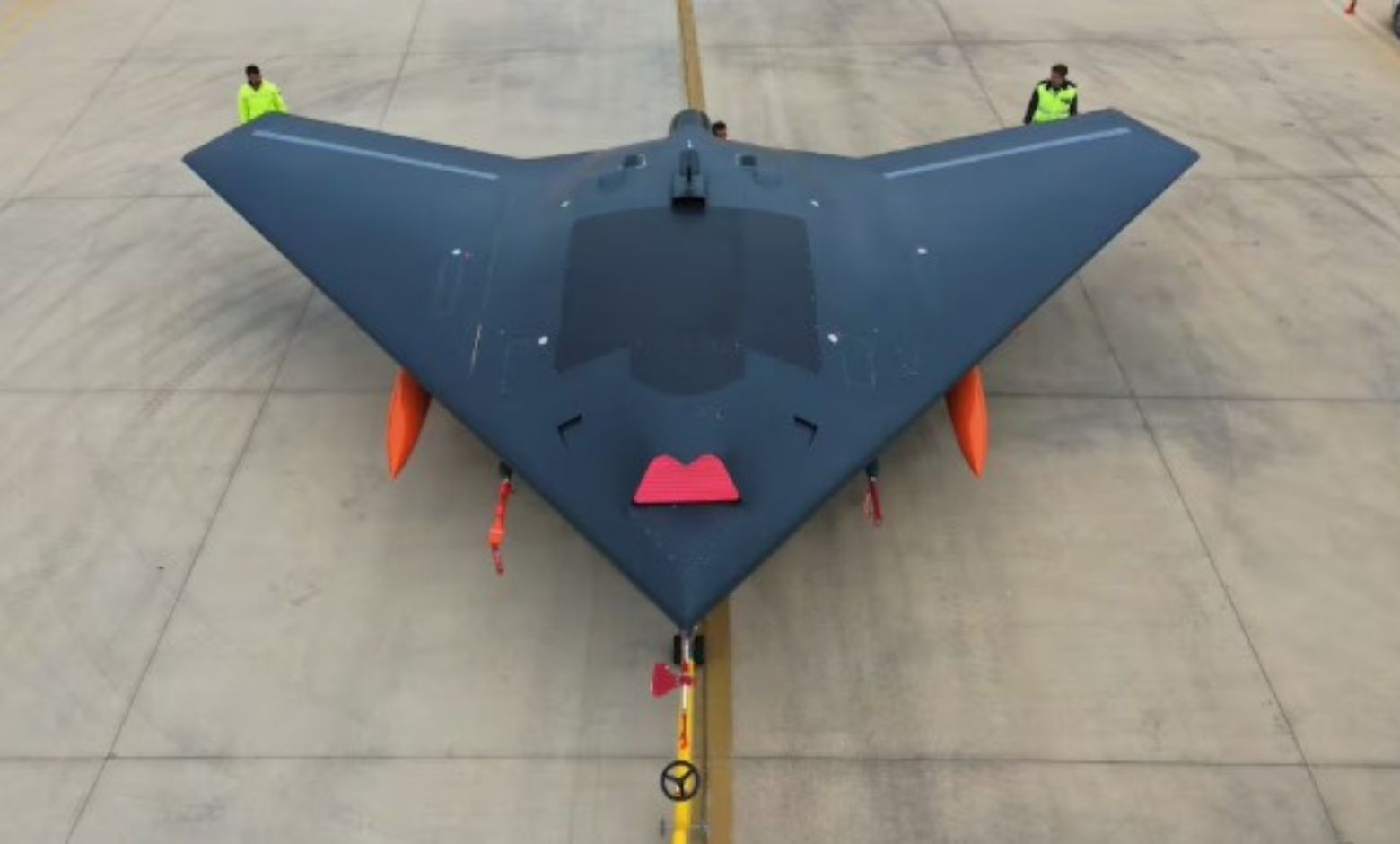
The platform is designed to feature enhanced range, enabling carrier groups to operate outside the engagement envelope of adversary missiles, coupled with a deeper low-observable (stealth) capability. Critically, it will incorporate an advanced sensor and network architecture to facilitate seamless integration with autonomous Collaborative Combat Aircraft (CCA) swarms. This decision signals a dramatic recovery for Boeing’s St. Louis, Missouri facility, which had faced closure risks following the anticipated end of F/A-18E/F Super Hornet and F-15E production lines.


admin