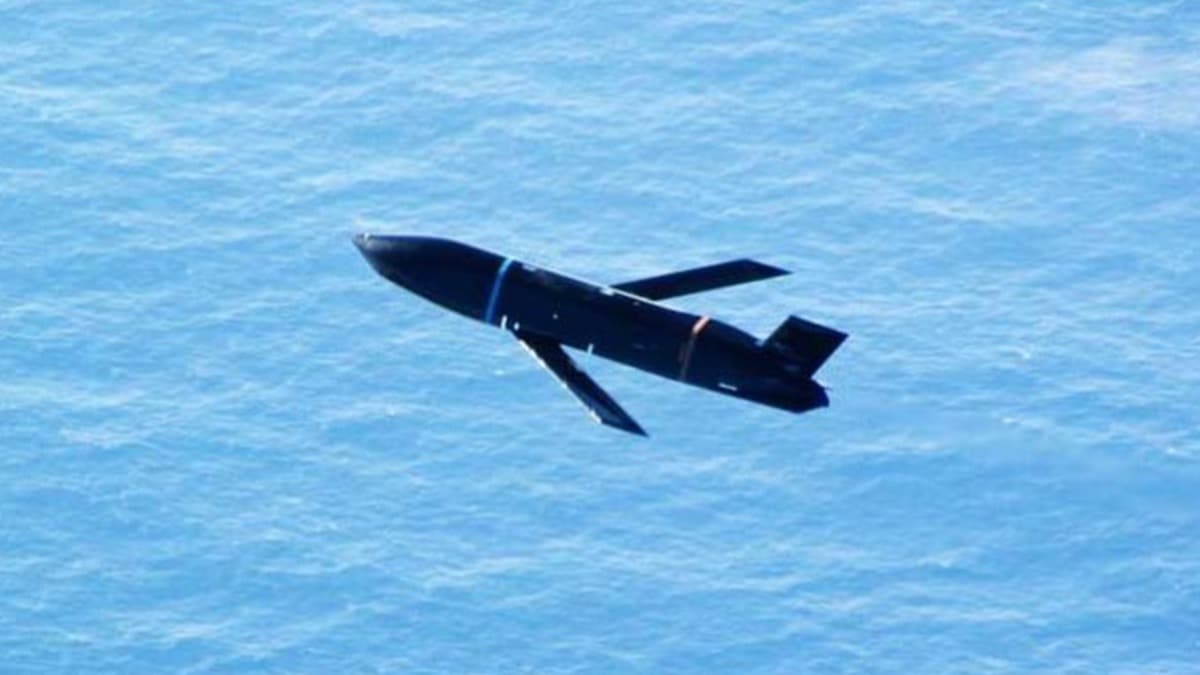
Lockheed Martin has announced the successful conclusion of the initial phase of critical flight tests for integrating the AGM-158C Long-Range Anti-Ship Missile (LRASM) onto the U.S. Navy’s F-35C Lightning II stealth fighters. This significant achievement, following a series of integration flights conducted between September 2024 and April 2026, marks a pivotal step towards achieving full LRASM operational capability on the F-35C platform.
The integration of LRASM on the carrier-based F-35C is set to dramatically enhance the platform’s long-range precision strike capabilities against naval targets, particularly within highly contested environments. LRASM’s inherent low-observable characteristics and extended reach allow it to engage high-value maritime assets, such as warships, without exposing the F-35C to hostile air defense systems. This expands the F-35C’s operational utility beyond its traditional air superiority and ground attack roles, cementing its significance in future naval warfare scenarios.
According to Lockheed Martin, LRASM’s formidable range and advanced targeting capabilities position it as a critical component in modern naval combat. The recently completed first phase of the integration program focused on validating the F-35C’s flight dynamics and structural integrity across its entire flight envelope while carrying heavy ordnance, specifically the LRASM, in its underslung configuration. Detailed flight sciences tests rigorously assessed the aircraft’s performance, control characteristics, and aerodynamic behavior. These comprehensive evaluations were crucial for de-risking the program and paving the way for subsequent integration phases.
Notably, the testing utilized both LRASM and AGM-158 JASSM (Joint Air-to-Surface Standoff Missile) test articles, thereby generating valuable common data sets that can inform the integration of both missile types onto the F-35 platform.
Jon Hill, Vice President of Air Dominance and Strike Systems at Lockheed Martin, underscored the strategic importance of this development, stating, “By integrating LRASM onto the F-35, we are empowering our warfighters with a potent capability that significantly boosts mission flexibility and broadens their operational options.”
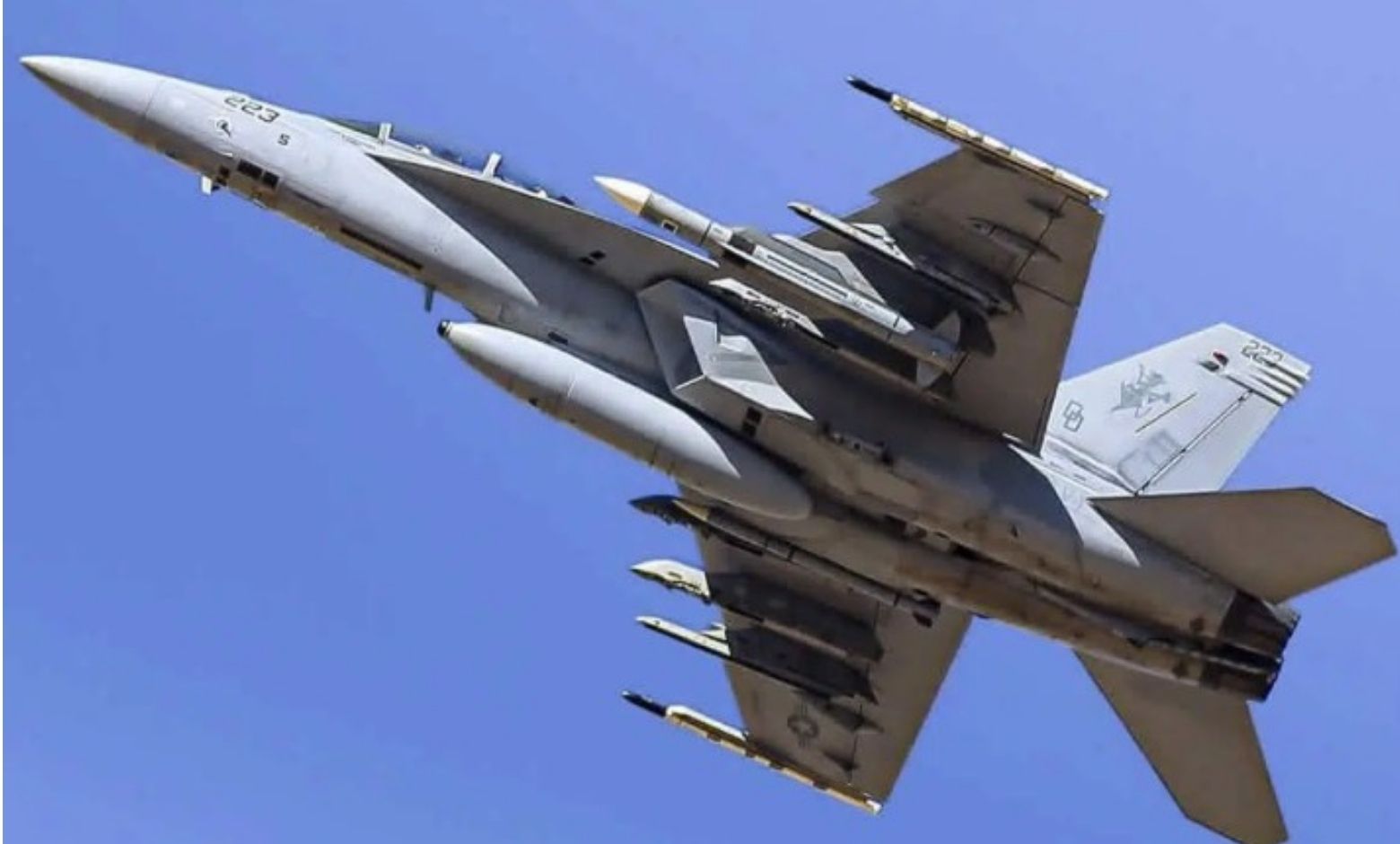
The LRASM is currently operational with the U.S. Air Force’s B-1B Lancer strategic bombers and the U.S. Navy’s F/A-18E/F Super Hornet strike fighters. Its integration onto the F-35C will provide the U.S. Navy with an unprecedented long-range anti-ship strike capability from a low-observable, fifth-generation fighter platform for the first time.
The complete integration of LRASM is expected to further broaden the F-35 fleet’s multi-role mission profile, enabling enhanced long-range precision strikes against both naval and land-based targets. This advancement is poised to significantly augment the F-35’s effectiveness across future operational theaters.
Disclaimer: This content has been aggregated and reported by our automated systems.


admin