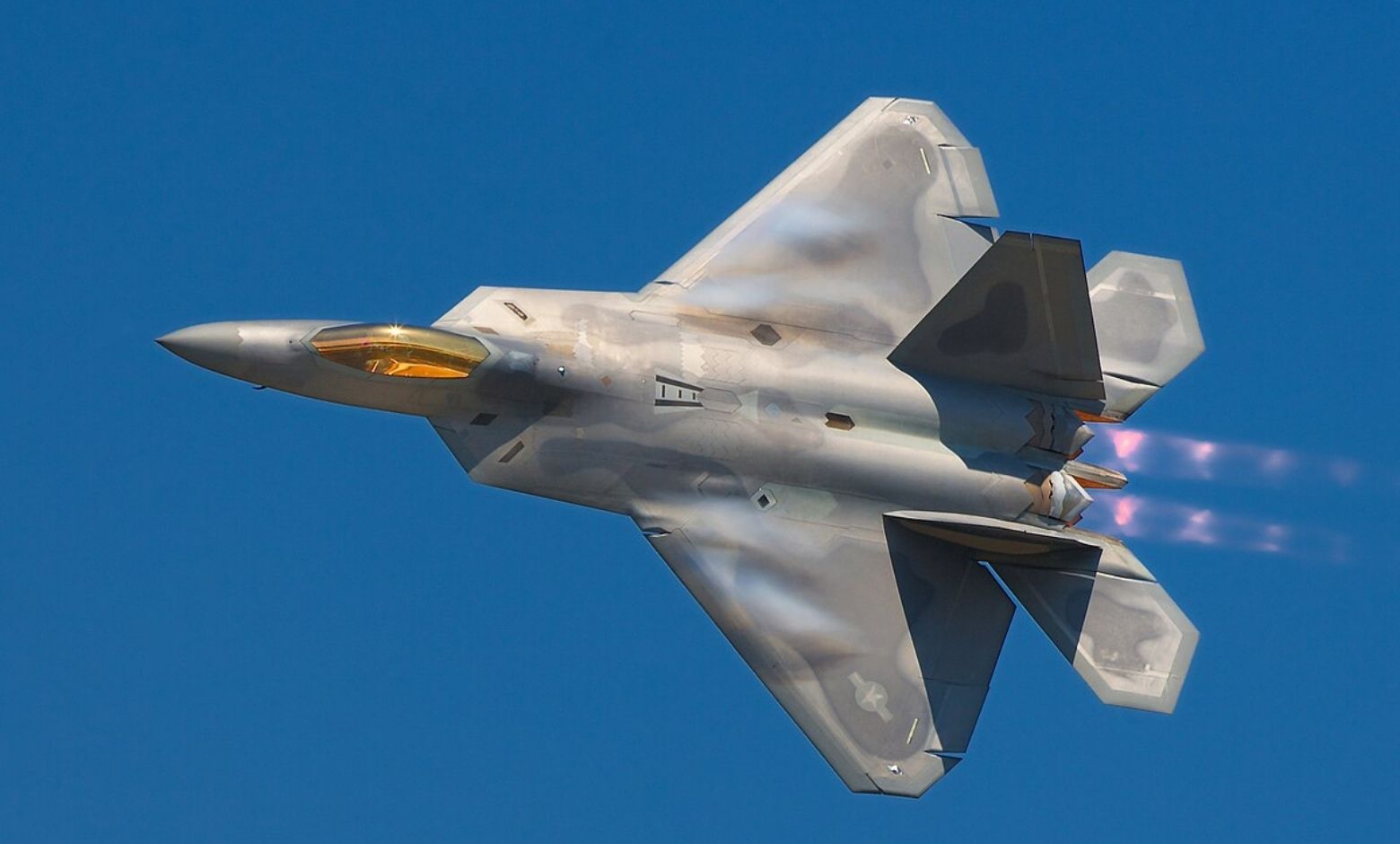
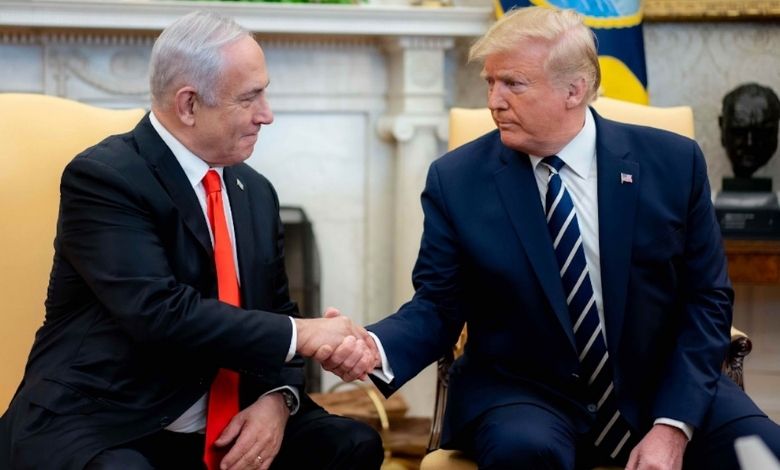
Israeli Prime Minister Benjamin Netanyahu’s recent public statements opposing the potential sale of F-35 Joint Strike Fighters to Turkey have reportedly provoked a strong reaction from U.S. President Donald Trump. According to reports from Axios, citing White House officials, President Trump expressed significant displeasure over Netanyahu’s public criticism regarding Turkey’s possible reintegration into the F-35 program. Trump reportedly believes Netanyahu lacked the authority to intervene or comment on potential F-35 transfers to Ankara.
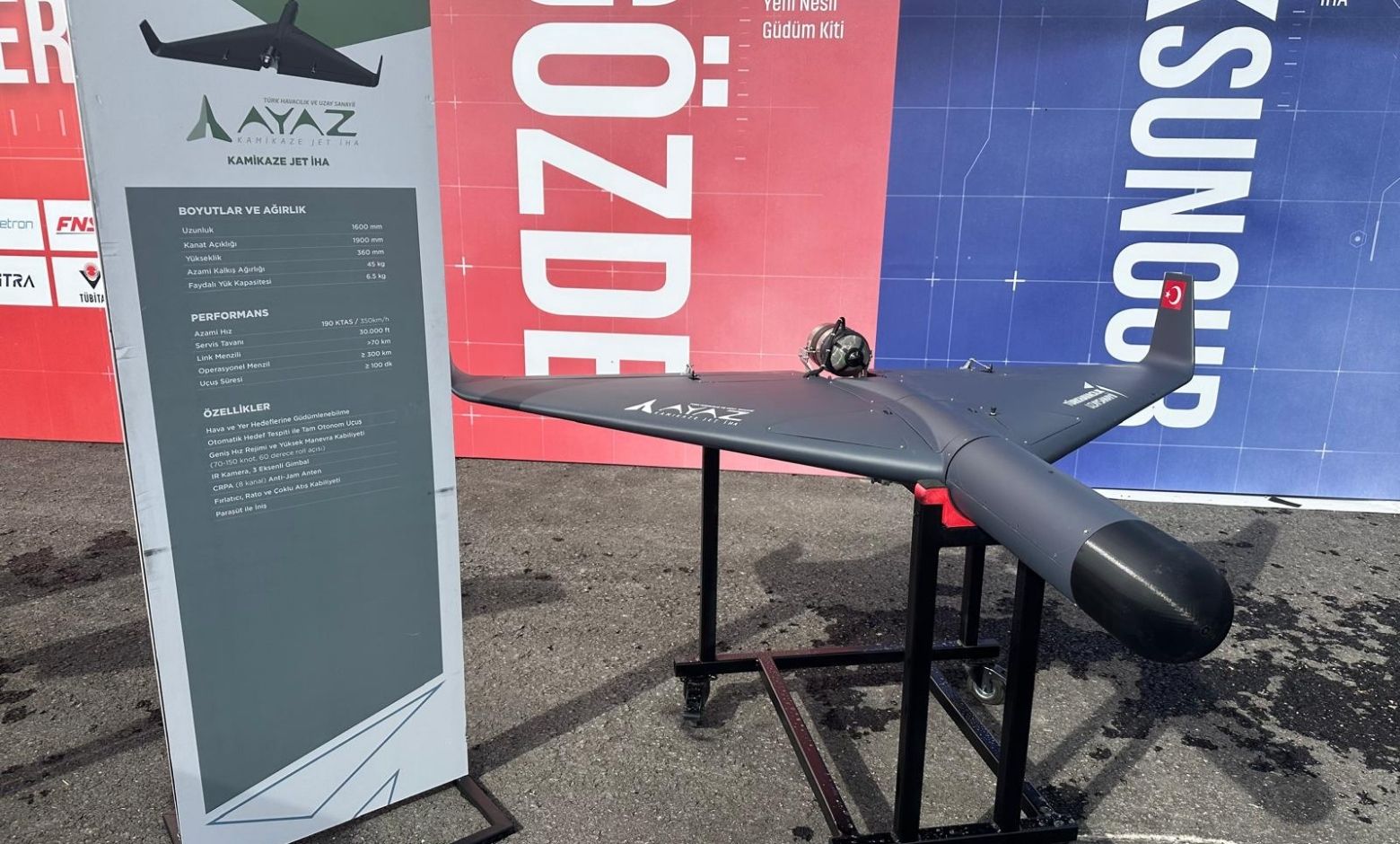
Netanyahu’s controversial remarks followed President Trump’s statements at the NATO Leaders’ Summit in Ankara, held on July 7-8, where the prospect of F-35 delivery to Turkey was discussed. The Israeli Prime Minister advocated against Turkey acquiring F-35s or, indeed, any advanced weaponry, pointing to Ankara’s burgeoning indigenous defense industry. He articulated, “I don’t think Turkey should receive F-35s. I don’t believe they deserve to acquire any weapons, as they are manufacturing their own.”
Further elaborating on his concerns, Netanyahu revealed he had engaged President Trump multiple times on the F-35 issue. He contended that, despite a purported personal friendship between President Erdoğan and President Trump, Turkey should not be considered a “friendly state” from the U.S. perspective. Netanyahu argued that a sale of F-35s would fundamentally disrupt the military equilibrium in the Middle East, citing “aggressive ambitions” and a desire to “resurrect the Ottoman Empire” attributed to Turkey. He specifically warned against supplying not only the F-35 airframes but also the advanced engines integral to the fighter jets, emphasizing Israel’s need to maintain air superiority in the region.
The diplomatic fallout has reportedly seen Netanyahu attempting to secure a meeting with President Trump at the White House for over two weeks, without confirmation. Despite Israeli media suggestions of a Monday meeting, White House officials have denied any scheduled discussions, noting the absence of such an engagement from President Trump’s official itinerary. One official reportedly suggested an impression was forming that Netanyahu was trying to project a meeting as confirmed when it was not. Concurrently, a planned visit to Israel by U.S. Defense Secretary Pete Hegseth, following his engagements at the NATO Summit in Ankara, was also canceled. Media reports indicated Hegseth’s discussions with Netanyahu were expected to cover regional developments, including the potential F-35 delivery to Turkey.
The question of Turkey’s return to the F-35 program gained renewed prominence during the July 7 meeting between President Erdoğan and President Trump. Erdoğan reiterated Turkey’s expectation for a positive outcome regarding the five F-35A jets already manufactured for the nation. Trump, while stating no final decision had been made, confirmed the option was under active consideration and pledged to lift CAATSA sanctions imposed on Turkey.
In response to the opposition from Netanyahu and Greek Prime Minister Kyriakos Mitsotakis regarding potential F-35 deliveries to Turkey, President Erdoğan firmly defended Turkey’s sovereign right to acquire and produce defense systems. He asserted, “Both statements have no place in my world. Netanyahu’s intentions are clear, he should not have made such a mistake. Have we ever questioned Mitsotakis regarding Greece’s defense procurements, asking ‘Why did you acquire these, or why are you acquiring these?'” Erdoğan emphasized Turkey’s capability and right to both manufacture and purchase necessary defense technologies, highlighting ongoing discussions with various international partners for such acquisitions.
Disclaimer: This content has been aggregated and reported by our automated systems.


admin