The Hellenic Armed Forces are set to undergo a comprehensive modernization and fiscal efficiency initiative, aiming to generate over €1.1 billion in savings within five years. Unveiled by Defense Minister…
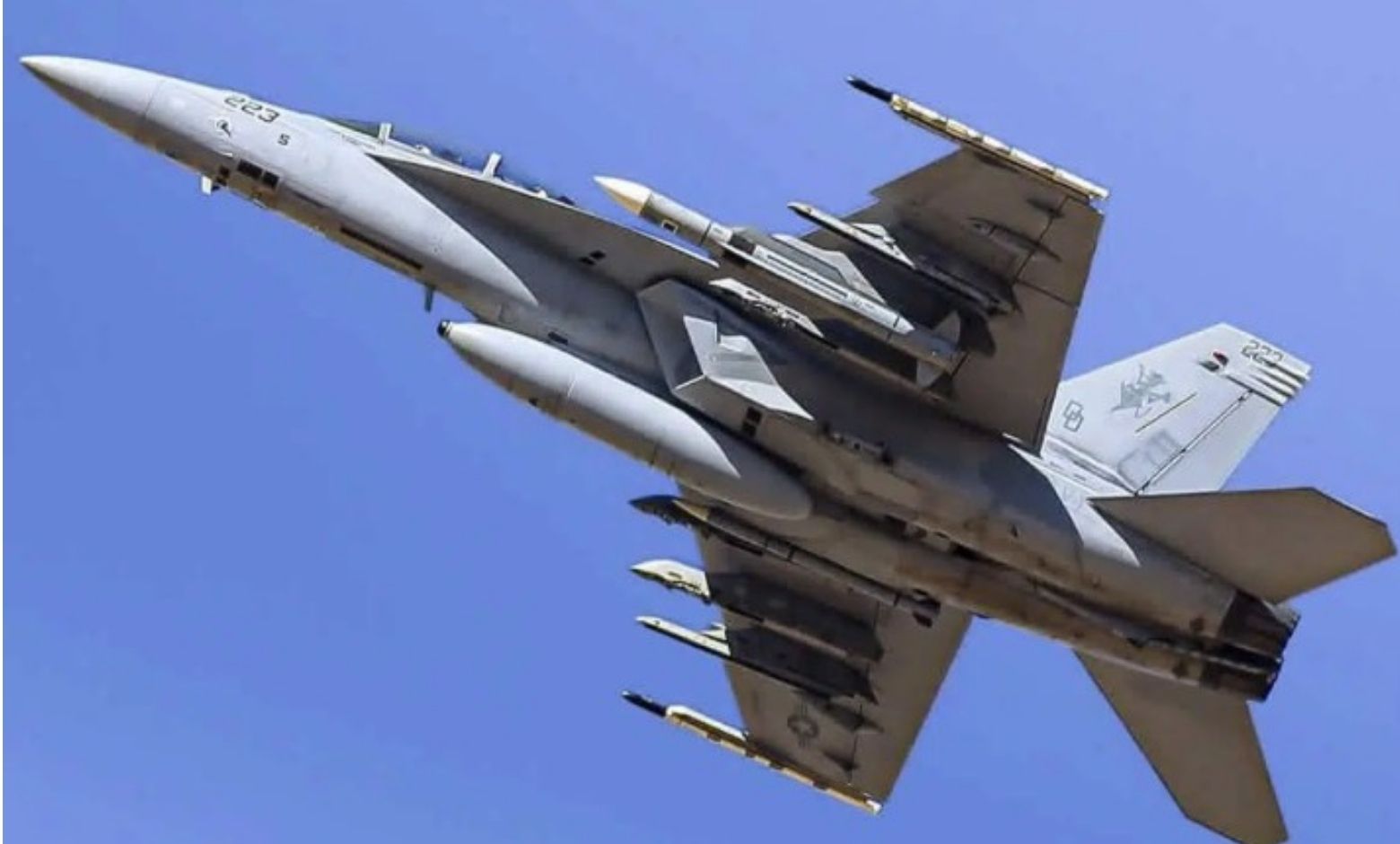
The U.S. Navy recently marked a significant development in aerial combat capabilities as an F/A-18F Super Hornet, assigned to Test and Evaluation Squadron VX-31, was observed simultaneously carrying two distinct…
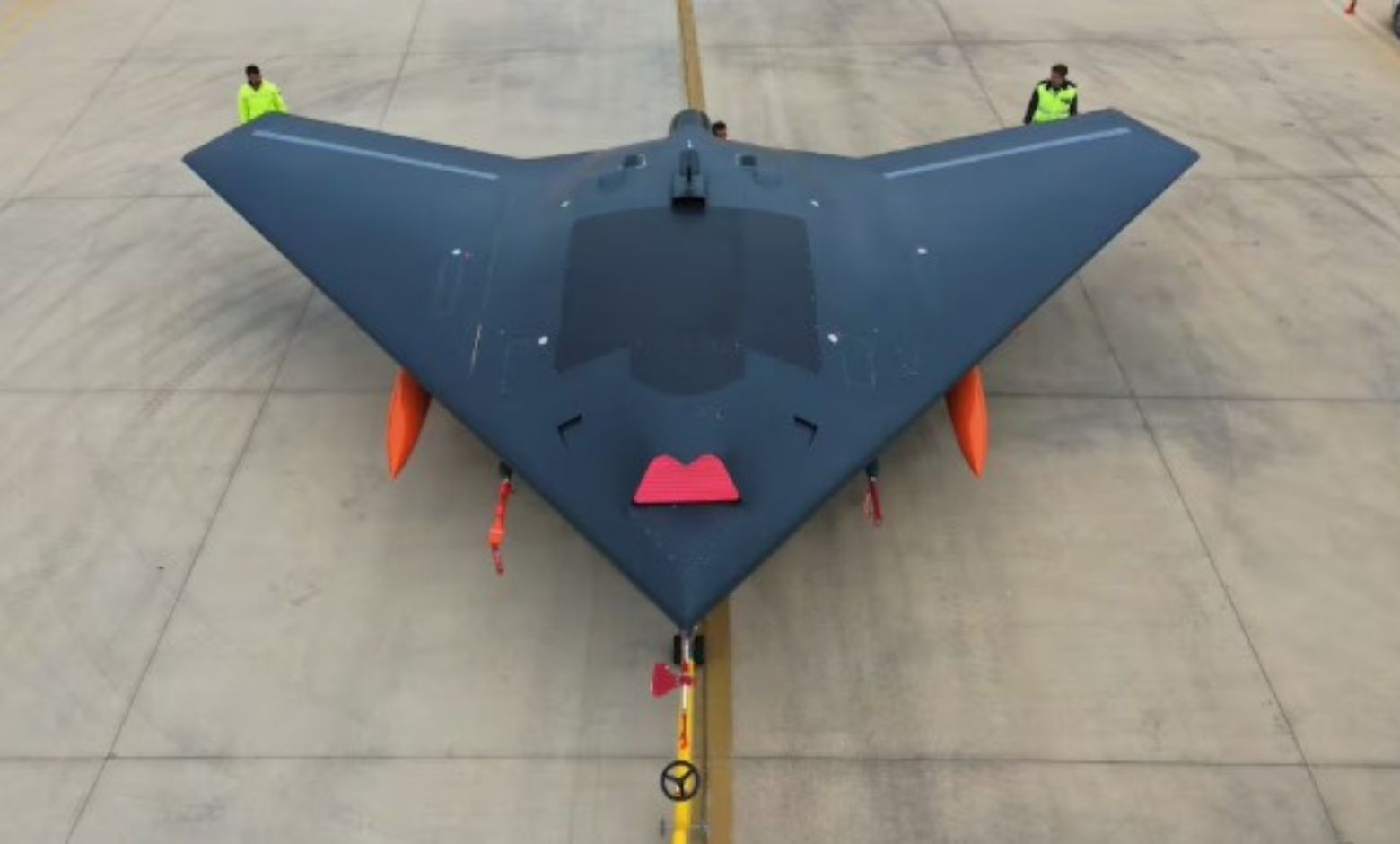
Turkish Aerospace Industries (TUSAŞ) is significantly ramping up its production capabilities for the ANKA-3 Unmanned Combat Aerial Vehicle (UCAV), having received firm orders for 80 units. The company confirmed that…
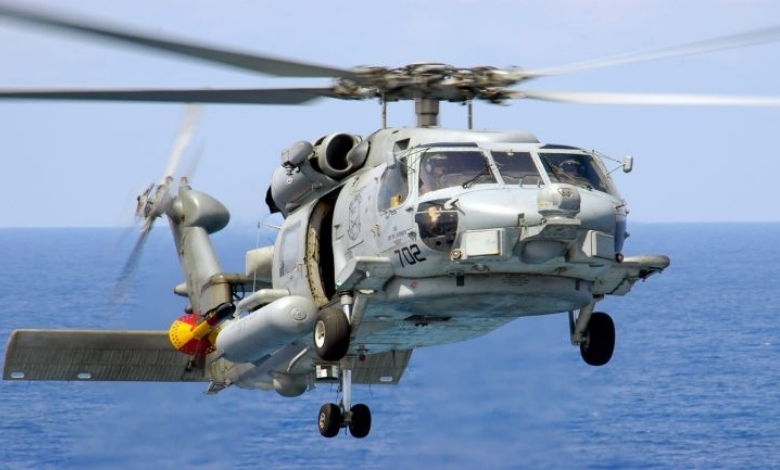
New Zealand has formally entered into a significant procurement agreement with the United States for the acquisition of advanced MH-60R Seahawk helicopters, a move poised to substantially bolster its capabilities…
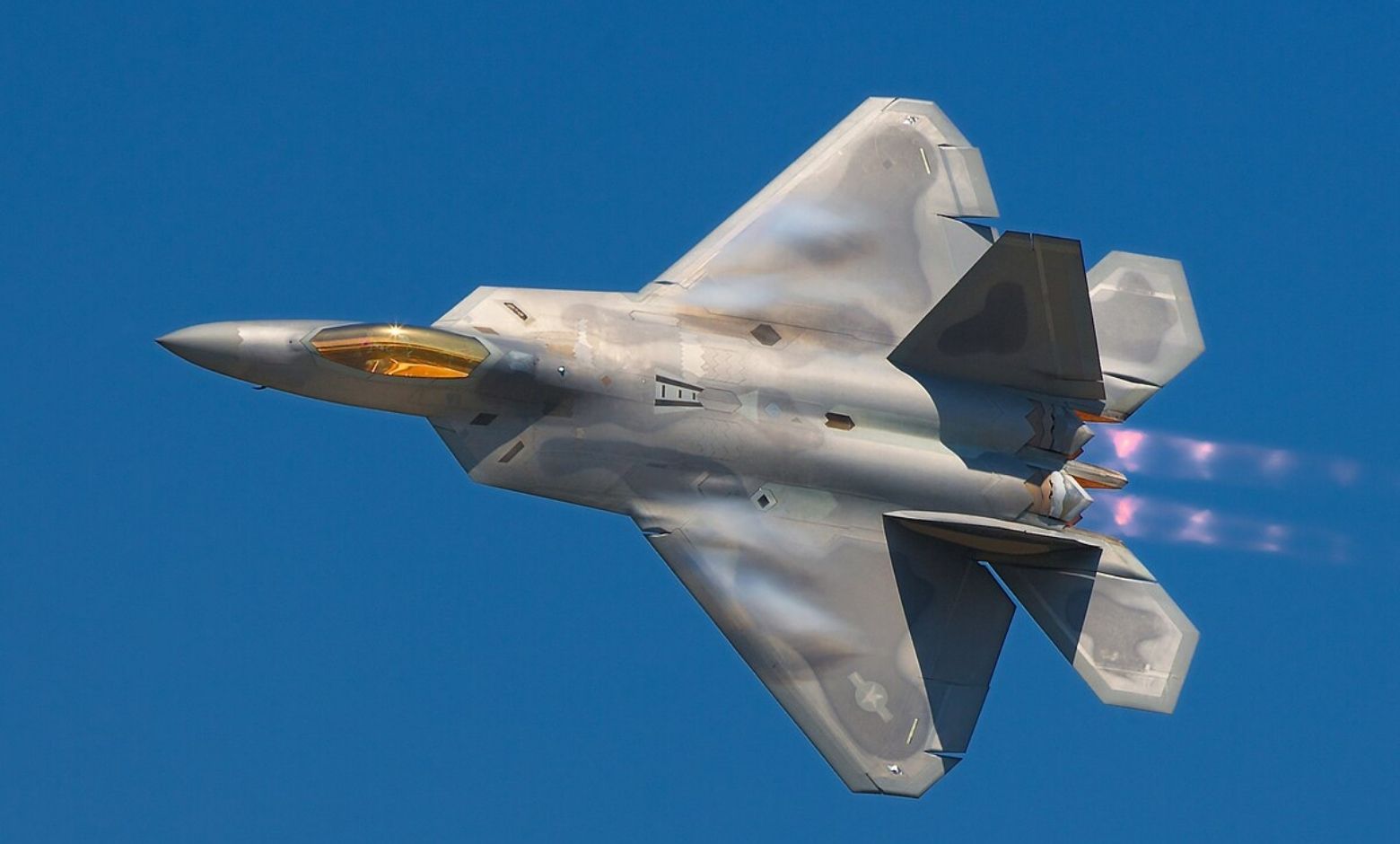
The United States Air Force has successfully conducted its inaugural in-flight command and control test of an YFQ-44A Fury unmanned combat aerial vehicle (UCAV) directly from the cockpit of an…
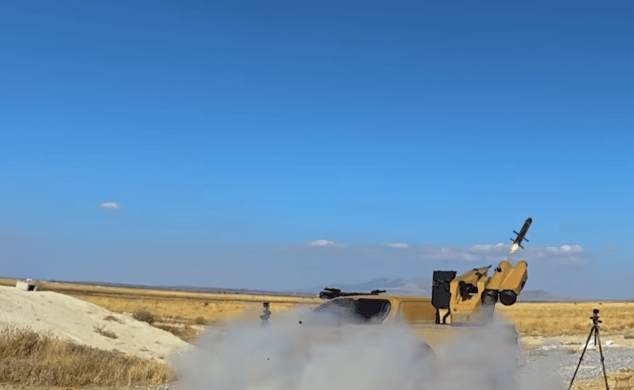
In a groundbreaking development for the Turkish defense industry, ROKETSAN’s indigenously designed KARAOK Portable Anti-Tank Missile (ATGM) has successfully engaged and neutralized an aerial target during its latest test firing. This pivotal achievement significantly broadens KARAOK’s operational envelope, extending its proven effectiveness from conventional ground targets to the aerial domain, thereby underscoring its enhanced versatility on the modern battlefield.
The recent trial showcased KARAOK’s exceptional performance against an unmanned combat aerial vehicle (UCAV) resembling the Shahid-136 kamikaze drone. Notably, the missile achieved target neutralization through a direct impact, employing a “hit-to-kill” methodology without the deployment of a warhead or the activation of a proximity fuze. This precise engagement stands as a testament to KARAOK’s advanced guidance systems and superior terminal maneuverability, affirming its capability for high-accuracy strikes against agile aerial platforms.
Drawing on the robust engineering legacy of the UMTAS and OMTAS missile families, KARAOK is engineered as a state-of-the-art “fire-and-forget” ATGM system. Optimized for single-operator use and shoulder-launched deployment, it offers high mobility with a system weight under 16 kilograms. Its sophisticated Imaging Infrared (IIR) seeker head enables reliable all-weather, day-and-night targeting against various threats within an effective range of 2.5 kilometers. Furthermore, KARAOK incorporates a tandem warhead designed for optimal performance against reactive armor and supports multiple engagement profiles, including lock-on before or after launch, direct attack, and top-attack modes. This latest test conclusively proves the IIR seeker’s adaptive capabilities against a broader spectrum of threats beyond its primary ground-based targets.
KARAOK has already been successfully integrated into the Turkish Armed Forces (TSK) inventory following its initial guided test firing in 2021 and is poised for international export. Its operational flexibility has been previously highlighted through successful launches from unmanned ground vehicles (UGVs) like PUSU and PALEM within the Network-Centric Mission Management and Weapon System (AGMOSS) initiative, demonstrating seamless integration into advanced command-and-control architectures.
While KARAOK was initially conceived for armored ground targets, its recent success in tracking and destroying a low-altitude aerial platform validates the inherent flexibility and adaptability of its guidance algorithms and software for diverse target profiles. This evolution fundamentally transforms KARAOK from a specialized anti-tank weapon into a truly multi-purpose system, empowering a single soldier to effectively counter both armored ground threats and low-altitude air threats, such as UAVs and helicopters, on the battlefield. In the contemporary threat landscape, where low-altitude UAVs and rotary-wing aircraft pose increasing challenges, this integrated capability provides a crucial, additional layer of defense, significantly bolstering operational agility and survivability for ground forces without the logistical burden of dedicated Man-Portable Air-Defense Systems (MANPADS).
Hellenic Armed Forces Initiate Sweeping Restructuring Program, Targeting Billion-Euro Savings for Modernization and Personnel Welfare
The Hellenic Armed Forces are set to undergo a comprehensive modernization and fiscal efficiency initiative, aiming to generate over €1.1 billion in savings within five years. Unveiled by Defense Minister…
US Navy F/A-18F Super Hornet Tests Novel Dual Air-to-Air Missile Configuration
The U.S. Navy recently marked a significant development in aerial combat capabilities as an F/A-18F Super Hornet, assigned to Test and Evaluation Squadron VX-31, was observed simultaneously carrying two distinct…


admin