In a move that sent ripples through the defense industry, aerospace titan Boeing has confirmed its decision not to submit a proposal for the U.S. Navy’s Undergraduate Jet Training System (UJTS) program. This strategic withdrawal, while unexpected by some observers, is widely interpreted as a deliberate redirection of the company’s significant resources towards more advanced, sixth-generation combat aircraft initiatives.
The decision effectively removes Boeing’s T-7A Red Hawk advanced trainer from the competitive field for the UJTS contract. The contest now proceeds with two prominent contender teams: a joint venture between Sierra Nevada Corporation (SNC) and Northrop Grumman, and a partnership formed by Leonardo and Textron.
Boeing cited the T-7A Red Hawk’s inability to fully align with the U.S. Navy’s distinct operational requirements for the UJTS program. A company spokesperson elaborated that comprehensive internal assessments concluded the T-7A, despite its ongoing production for the U.S. Air Force, did not meet the Navy’s specific acquisition criteria.
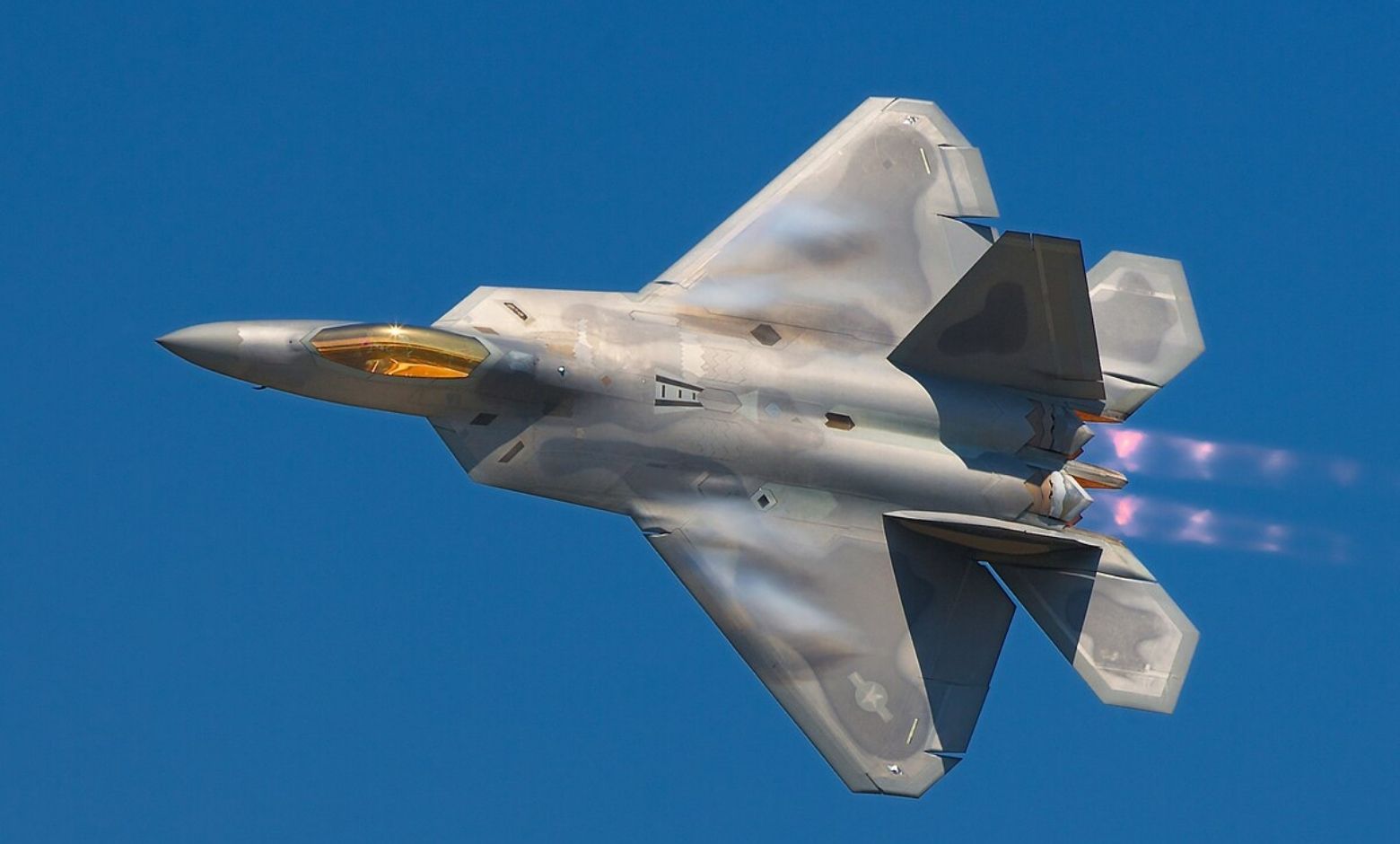
Despite its withdrawal from UJTS, Boeing reiterated its commitment to the T-7A platform, asserting its continued relevance as an advanced training solution for fourth, fifth, and crucially, future sixth-generation combat aviators worldwide. Industry analysts indicate that Boeing’s move is primarily motivated by a strategic imperative to redirect its core engineering and development capital towards high-priority initiatives, specifically the U.S. Air Force’s F-X (Next Generation Air Dominance – NGAD) program and the U.S. Navy’s F/A-XX sixth-generation fighter acquisition. This resource realignment occurs conspicuously close to the anticipated selection announcement for the Navy’s F/A-XX combat jet.
The Pentagon has recently articulated growing concerns regarding the industrial base’s capacity to concurrently support and develop multiple sixth-generation combat aircraft programs. Boeing’s preference to funnel its investment into these strategically vital future fighter platforms, rather than undertaking extensive and costly modifications to tailor the T-7A to specific Navy UJTS requirements, aligns with these broader defense-industrial considerations.
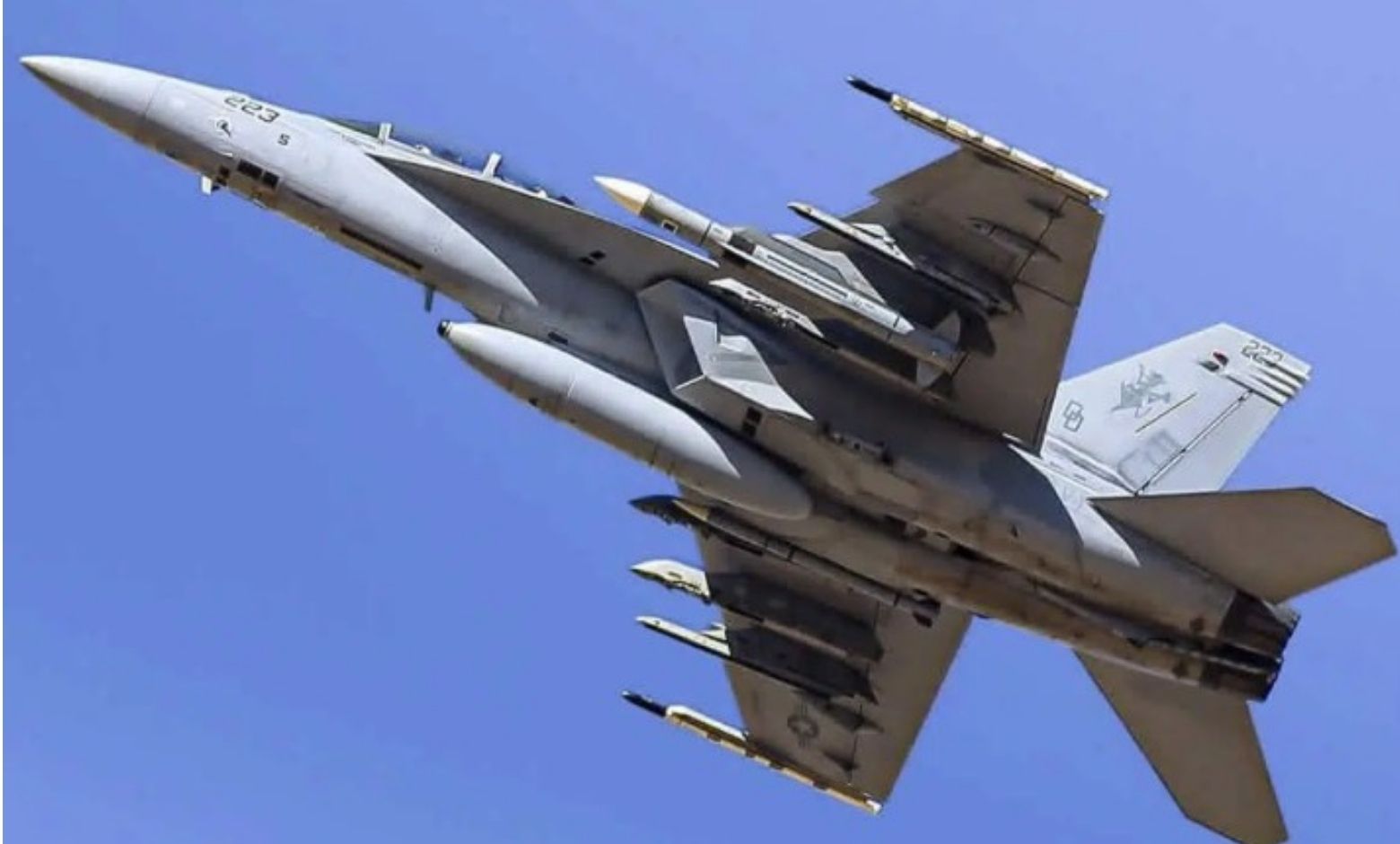
The T-7A Red Hawk is powered by the GE Aerospace F404 turbofan engine, a propulsion system also integral to the U.S. Navy’s F/A-18 Hornet and Super Hornet fleet. While Boeing acknowledged the F404’s proven reliability and performance, the company highlighted the significant additional development work required to meet the Navy’s bespoke certification mandates for the trainer program. This certification hurdle echoes prior challenges faced by the Lockheed Martin-Korea Aerospace Industries (KAI) T-50 trainer, which also utilizes the F404 engine and had previously withdrawn from the UJTS competition.
With both Boeing and Lockheed Martin now out of contention, the field narrows to the two remaining contenders. The SNC-Northrop Grumman partnership is proposing a completely novel design named “Freedom,” reportedly engineered for robust, carrier-representative hard landing profiles, although the Navy did not designate this as a mandatory UJTS requirement. The Freedom aircraft is expected to be propelled by two Williams FJ44 turbofan engines. Conversely, the Leonardo-Textron consortium is offering the M-346N, a navalized variant of their proven M-346 advanced jet trainer, currently operational with several international air forces and capable of secondary light attack roles. The M-346N employs Honeywell F124 turbofan engines.
An announcement regarding the selected platform for the U.S. Navy’s next-generation training program is anticipated in the coming months.
Disclaimer: This content has been aggregated and reported by our automated systems.


admin