U.S. President Donald Trump publicly affirmed his sole prerogative in determining the sale of F-35 Joint Strike Fighter aircraft to Turkey, directly confronting objections raised by Israeli Prime Minister Benjamin Netanyahu.
Speaking to reporters aboard Air Force One, President Trump characterized Turkey as a “great ally,” emphasizing that no external entity would dictate the United States’ defense trade policies. He explicitly set aside Netanyahu’s concerns regarding the potential F-35 acquisition by Ankara, stating unequivocally that decisions on which nations receive U.S. military hardware rest exclusively with American leadership.
The President also underscored his positive working relationship with Turkish President Recep Tayyip Erdoğan, expressing satisfaction with bilateral ties. He lauded Turkey as a “very strong country,” describing it as “magnificent” and possessing a “very large army” equipped with “a lot of great equipment.”
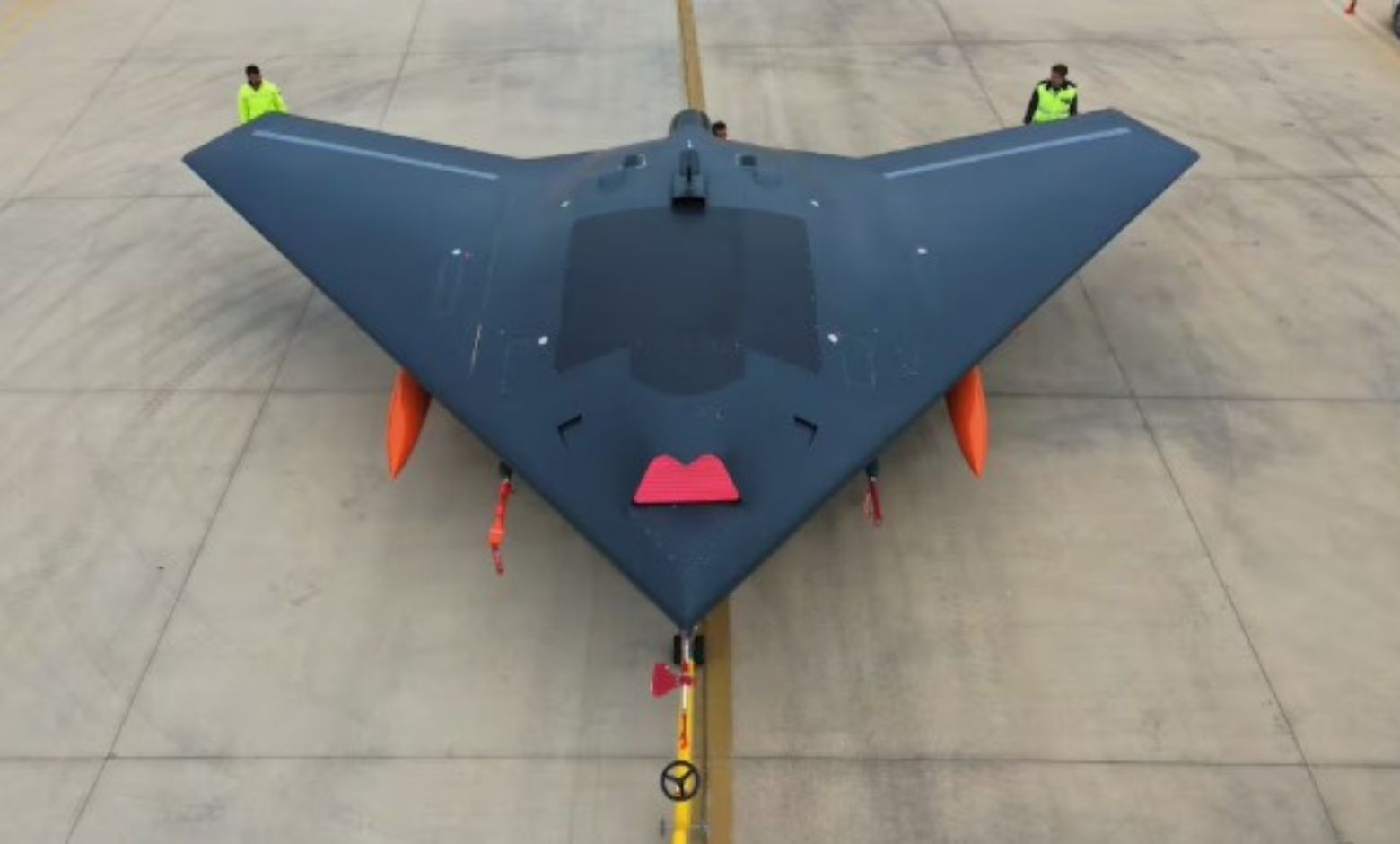
Prime Minister Netanyahu had previously urged Washington to halt any provision of F-35 aircraft or their associated engines to Turkey, contending that such transfers would disrupt the delicate regional power balance and compromise Israel’s Qualitative Military Edge (QME). Despite these remonstrances, the sale of 80 F110 turbofan engines, earmarked for Turkey’s indigenous KAAN fighter aircraft program, received approval under President Trump’s administration, illustrating a broader willingness to engage in defense industrial cooperation.
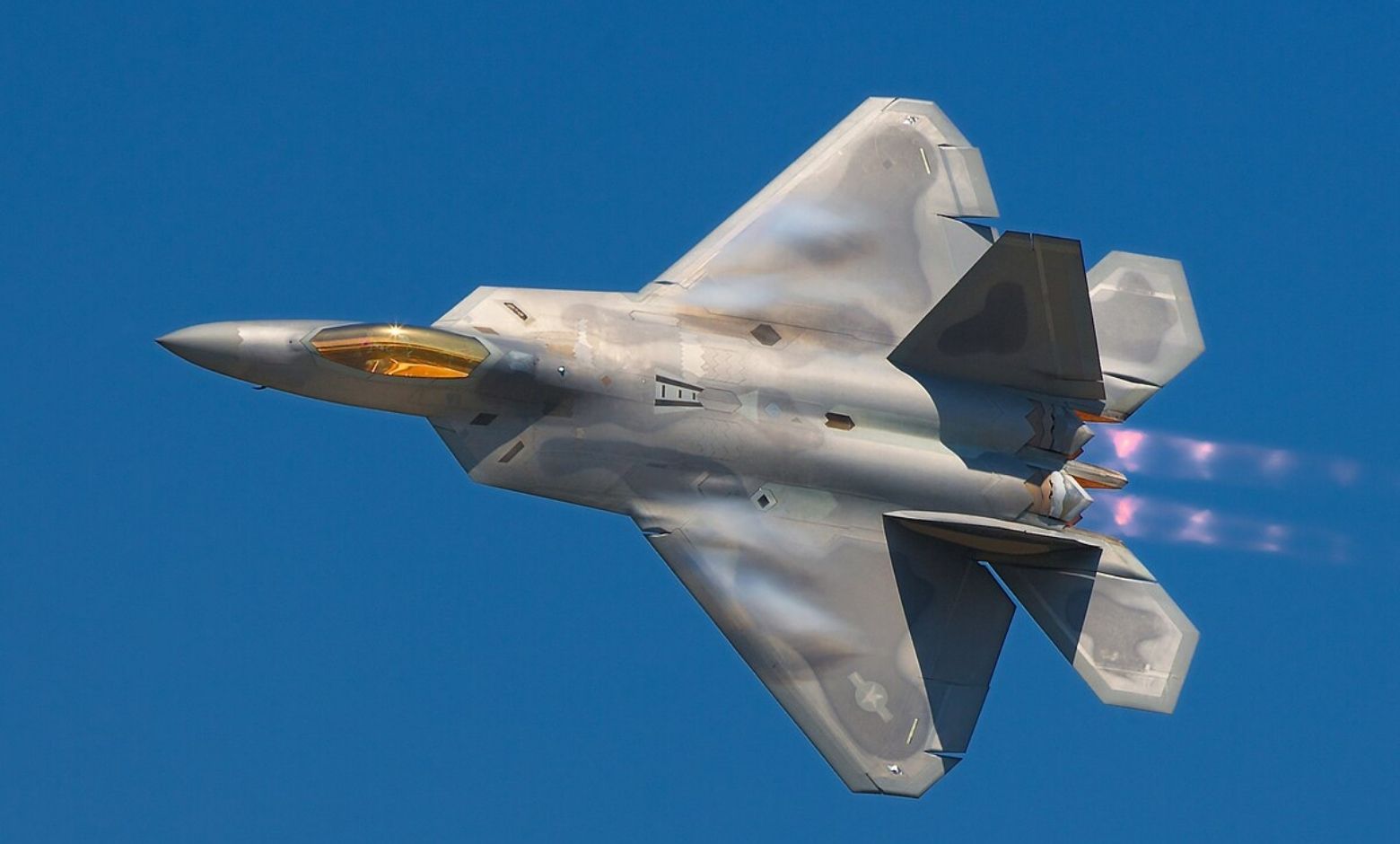
Trump’s resolute stance signals a firm commitment to potentially facilitating Turkey’s return to the F-35 Joint Strike Fighter program, even in the face of significant Israeli lobbying efforts. While Turkey has been excluded from the program for six years, overcoming pro-Israel opposition within the U.S. Congress remains a formidable hurdle. However, President Trump’s forthright statements indicate a strong political will driving progress in this complex process.

admin