The Hellenic Armed Forces are set to undergo a comprehensive modernization and fiscal efficiency initiative, aiming to generate over €1.1 billion in savings within five years. Unveiled by Defense Minister…
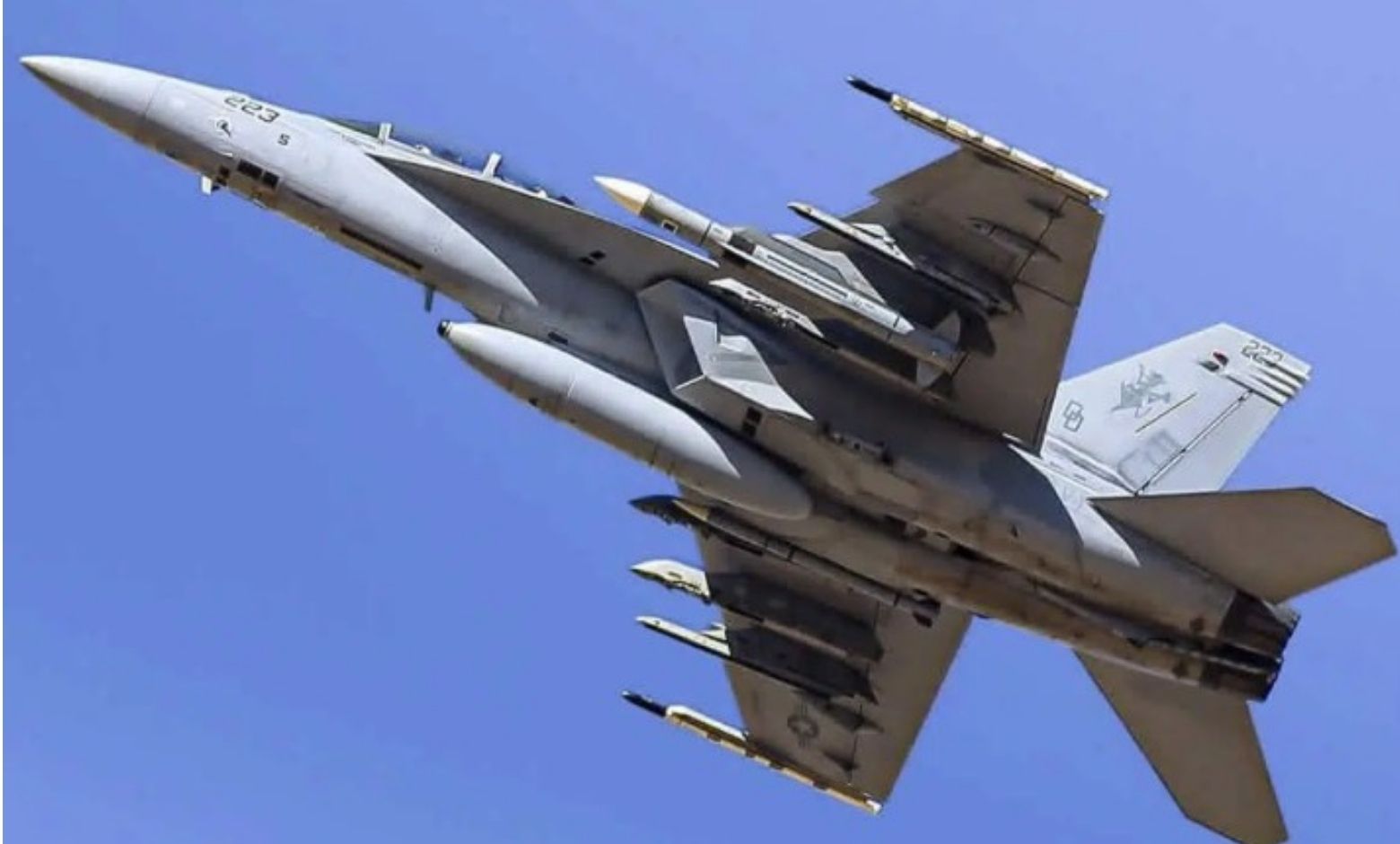
The U.S. Navy recently marked a significant development in aerial combat capabilities as an F/A-18F Super Hornet, assigned to Test and Evaluation Squadron VX-31, was observed simultaneously carrying two distinct…
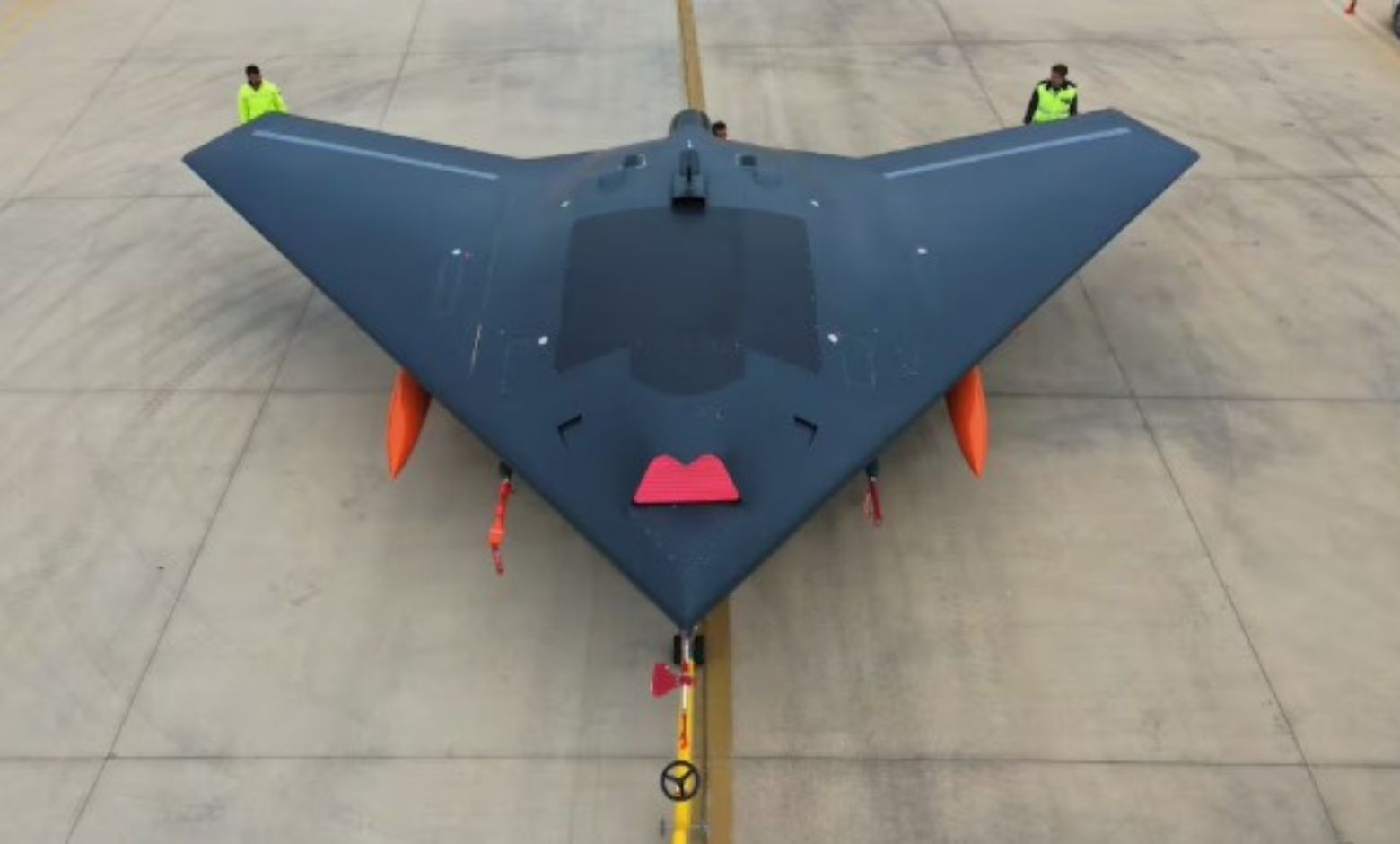
Turkish Aerospace Industries (TUSAŞ) is significantly ramping up its production capabilities for the ANKA-3 Unmanned Combat Aerial Vehicle (UCAV), having received firm orders for 80 units. The company confirmed that…
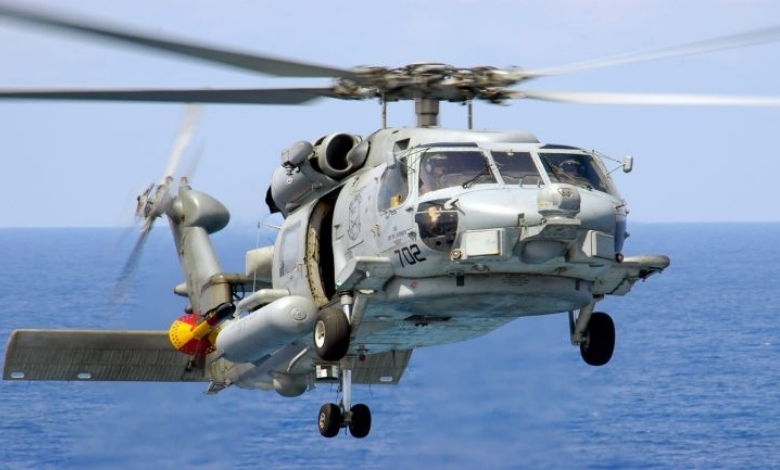
New Zealand has formally entered into a significant procurement agreement with the United States for the acquisition of advanced MH-60R Seahawk helicopters, a move poised to substantially bolster its capabilities…
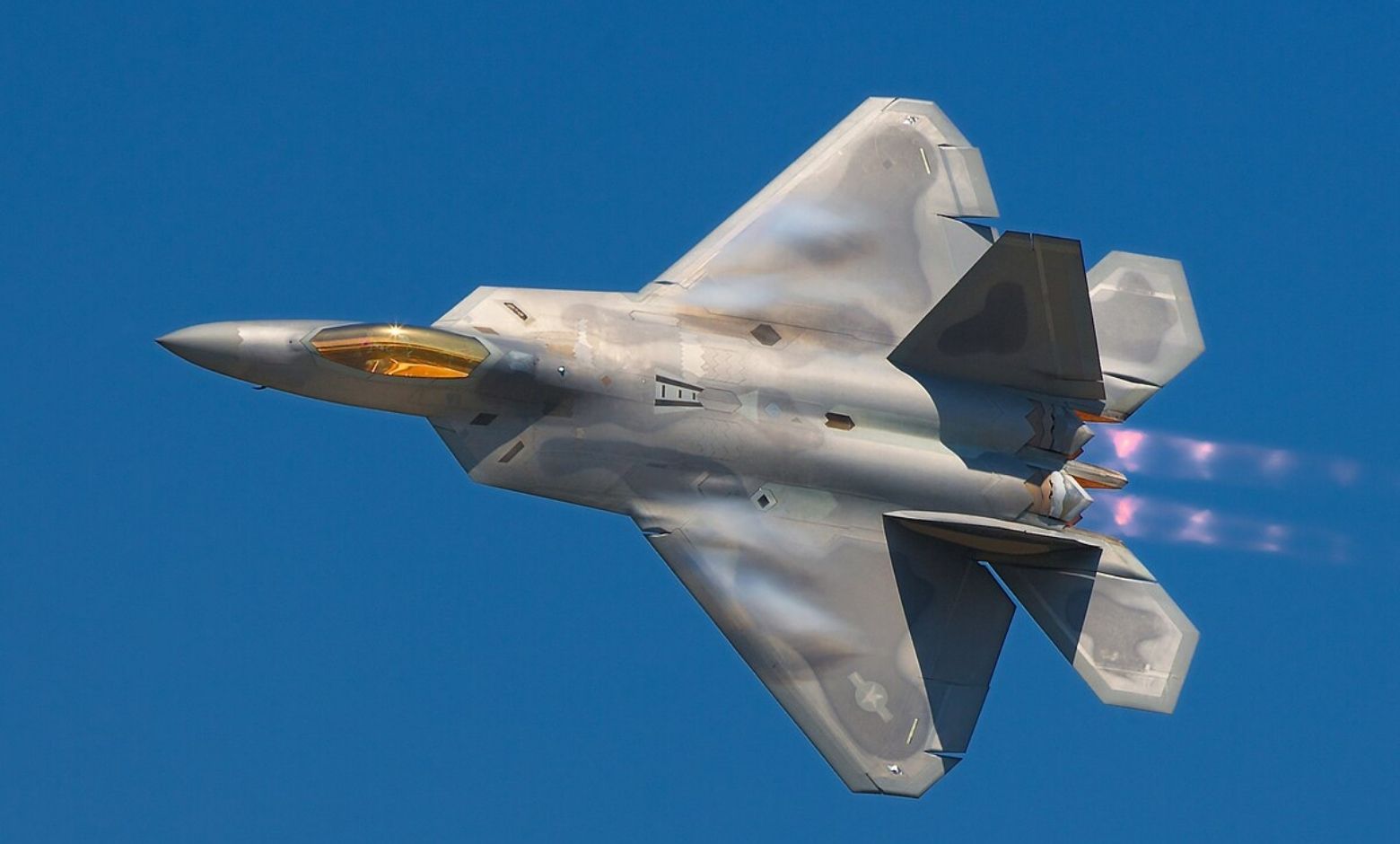
The United States Air Force has successfully conducted its inaugural in-flight command and control test of an YFQ-44A Fury unmanned combat aerial vehicle (UCAV) directly from the cockpit of an…
Turkish Aerospace Industries (TUSAŞ) has marked a crucial advancement in its ambitious indigenous 5th-generation fighter jet program, KAAN, with the rollout and commencement of initial ground tests for its second prototype, designated P1. This development signifies a major milestone for both the Turkish defense industry and the nation’s aviation history.
The P1 variant incorporates design refinements and improvements derived from the extensive data gathered during the successful maiden flight and subsequent test campaign of the initial P0 prototype. This iterative approach ensures that each successive prototype integrates lessons learned, optimizing performance and development efficiency.
TUSAŞ’s comprehensive testing regimen for the KAAN program envisions the production of five distinct prototypes. While P0 and P1 are currently engaged in critical early-stage evaluations, construction efforts are actively underway for the subsequent P2 and P3 prototypes. Data accumulated from these prototypes, subjected to hundreds of rigorous tests, will be instrumental in finalizing the design specifications for the Block 1 serial production aircraft, which will initially be classified as 4.5th generation.
The initial production run of KAAN fighter jets, the Block 1 series, will be powered by the proven US-made General Electric F110 turbofan engines. This engine choice, while enabling early serial production, leads to the aircraft’s initial classification as a 4.5-generation platform. However, a pivotal aspect of Turkey’s long-term vision for the KAAN program involves the domestically developed TF35000 turbofan engine. This advanced power plant, a collaborative effort between TUSAŞ Engine Industries (TEI) and TRMotor, is poised to elevate the KAAN to its full 5th-generation capabilities. Furthermore, its successful integration will ensure complete strategic autonomy for Turkey in the production, export, and sustainment of this advanced air superiority fighter.
Hellenic Armed Forces Initiate Sweeping Restructuring Program, Targeting Billion-Euro Savings for Modernization and Personnel Welfare
The Hellenic Armed Forces are set to undergo a comprehensive modernization and fiscal efficiency initiative, aiming to generate over €1.1 billion in savings within five years. Unveiled by Defense Minister…
US Navy F/A-18F Super Hornet Tests Novel Dual Air-to-Air Missile Configuration
The U.S. Navy recently marked a significant development in aerial combat capabilities as an F/A-18F Super Hornet, assigned to Test and Evaluation Squadron VX-31, was observed simultaneously carrying two distinct…


admin