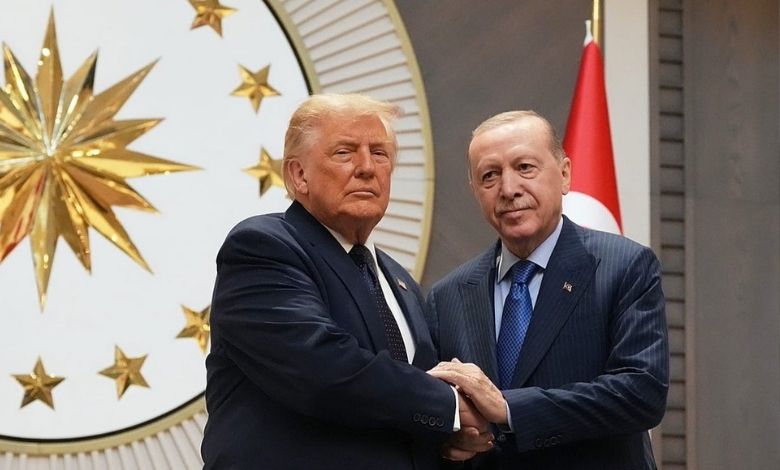
ANKARA – At the sidelines of the NATO Leaders Summit in Ankara, significant pronouncements from Turkish President Recep Tayyip Erdoğan and US President Donald Trump during their bilateral meeting have signaled a potential paradigm shift in the intricate defense relationship between the two long-standing allies. Discussions primarily centered on the F-35 Lightning II program and the contentious CAATSA sanctions, with a notably positive tone emerging from both leaders.
President Erdoğan underscored that the F-35 program, a crucial element for Turkey’s air defense capabilities, has been a consistent topic of dialogue with the United States. He reiterated that Turkey had previously secured assurances regarding five F-35 aircraft. Expressing optimism for a favorable resolution from the ongoing Summit, Erdoğan stated his confidence in President Trump’s commitment to his word, anticipating a positive outcome for the F-35 issue.
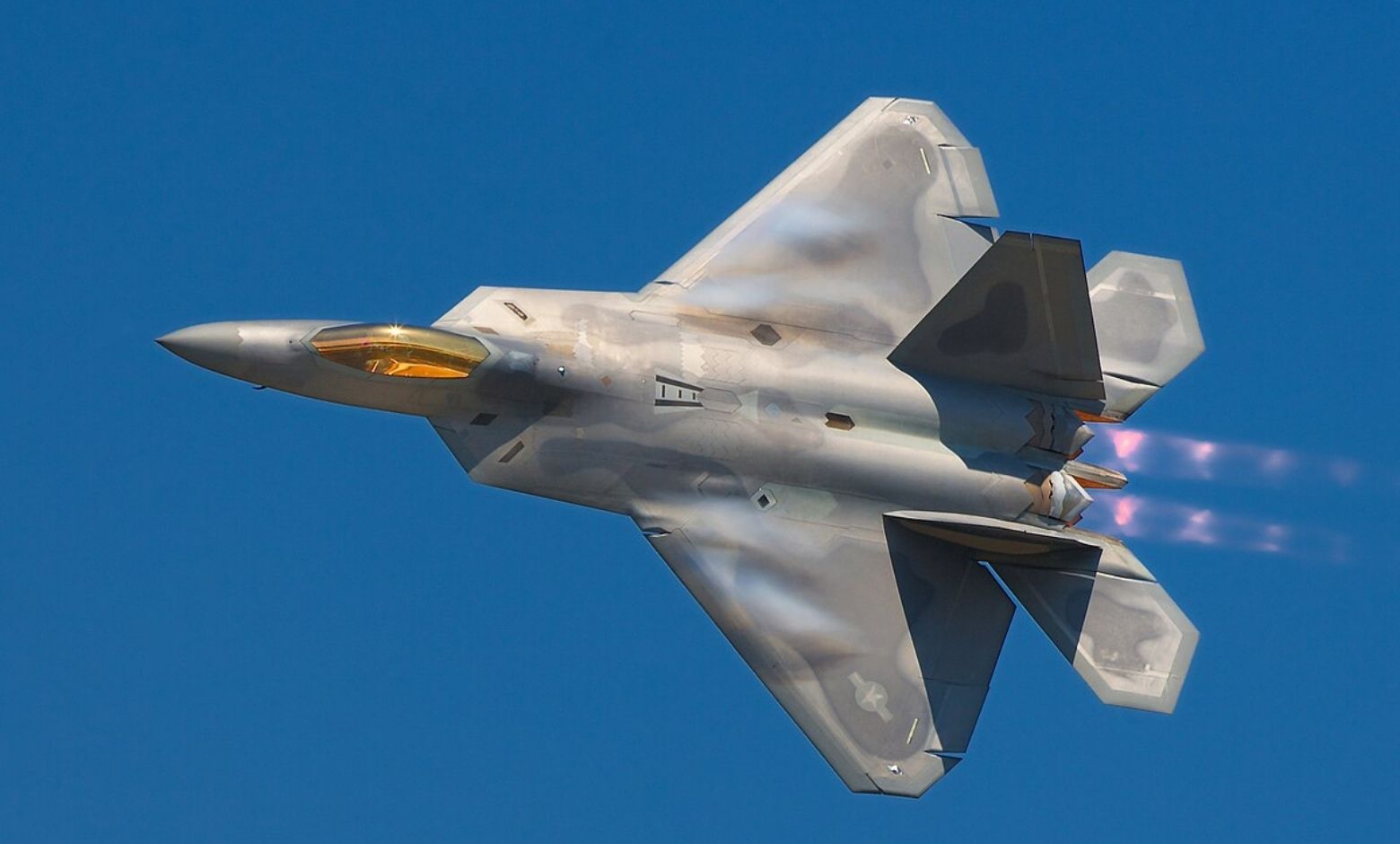
Echoing this constructive sentiment, President Trump provided a noteworthy perspective on the F-35 conundrum. He emphasized the robust nature of the US-Turkey relationship, highlighting that F-35s remain the premier fighter aircraft globally. Pondering the rationale against Turkey’s re-inclusion, Trump remarked, “Why not? We have a very strong relationship with Turkey, and Turkey maintains exceptionally loyal relations with us compared to other nations. This is certainly something we will evaluate.” He further characterized the proposed framework as “one of the best plans put forward so far,” assuring a thorough review.
In a pivotal development, President Trump also conveyed a positive message concerning the CAATSA sanctions imposed on Turkey. He explicitly stated the US intention to “lift the embargos” against Turkey, adding, “We do not wish for our friends to be under sanctions.” This declaration marks a significant departure from previous US policy.
Turkey, a key partner in the F-35 Joint Strike Fighter program, had initially ordered 30 F-35A Lightning II stealth fighters for the Turkish Air Force. Production for five of these aircraft, bearing tail numbers 18-0001 through 18-0005, was completed. The first F-35 was delivered in June 2018, with the inaugural flight by a Turkish pilot occurring in August 2018. These five aircraft have reportedly been in storage in the United States for approximately eight years since their production. However, Turkey’s procurement of the Russian S-400 air defense system in 2019 led to its controversial removal from the F-35 program and a halt in deliveries.
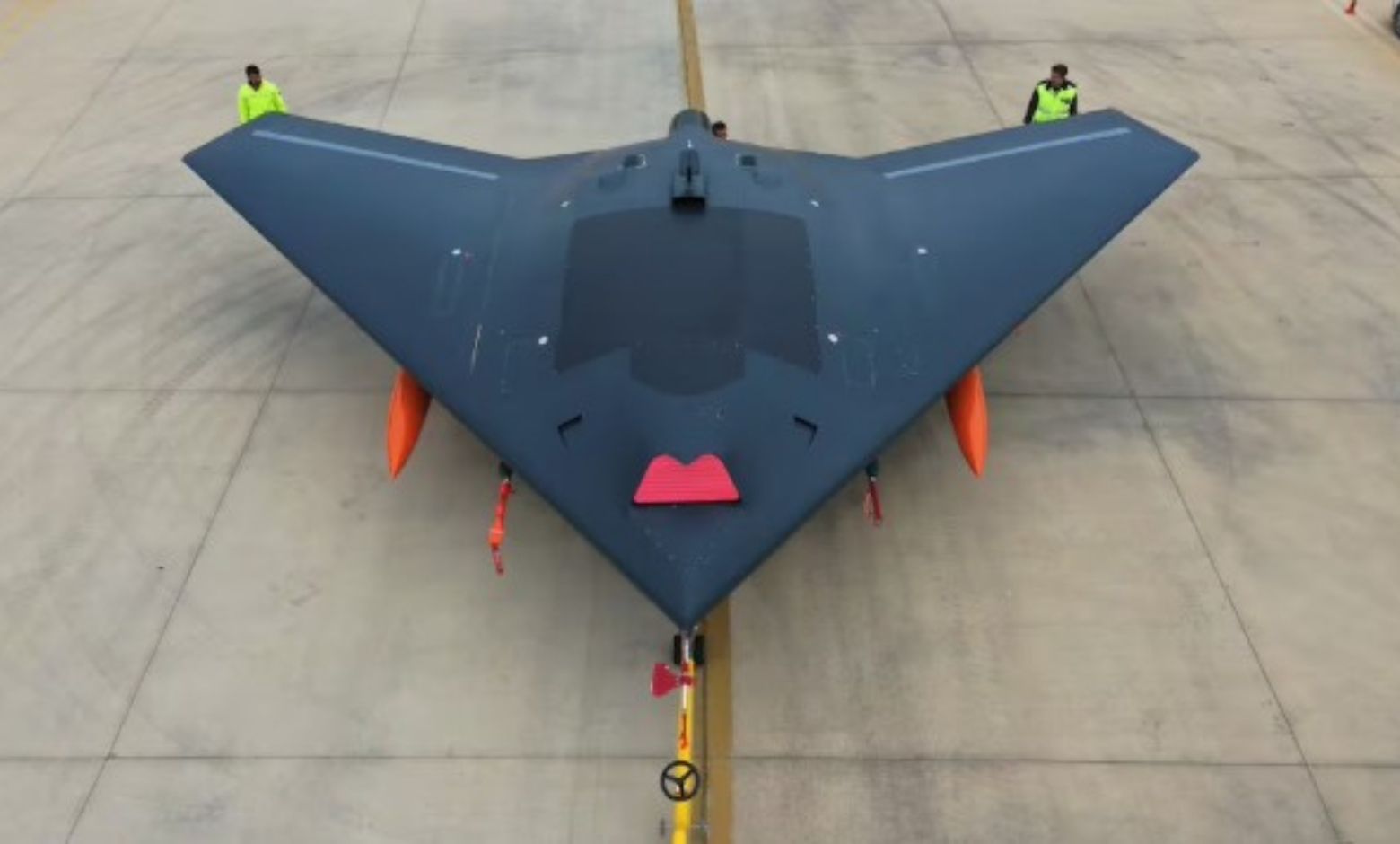
Beyond the F-35, President Erdoğan also revealed that the critical issue of engine procurement for Turkey’s indigenous National Combat Aircraft, KAAN, would be a focal point of his discussions with President Trump at the NATO Summit. Recalling previous engagements on this matter, Erdoğan expressed his expectation of receiving positive news regarding KAAN’s engine supply, anticipating a “good tidings” from the US President.
In response to inquiries regarding engine supply and sustainment for combat aircraft, President Trump reaffirmed the United States’ ongoing responsibility. He stated that “If you purchase aircraft from America, and these aircraft require maintenance, it is our responsibility to provide that maintenance if you acquired them from the United States.” This statement suggests a commitment to supporting US-origin components and systems, potentially opening avenues for future collaboration on projects like KAAN.
Disclaimer: This content has been aggregated and reported by our automated systems.

admin