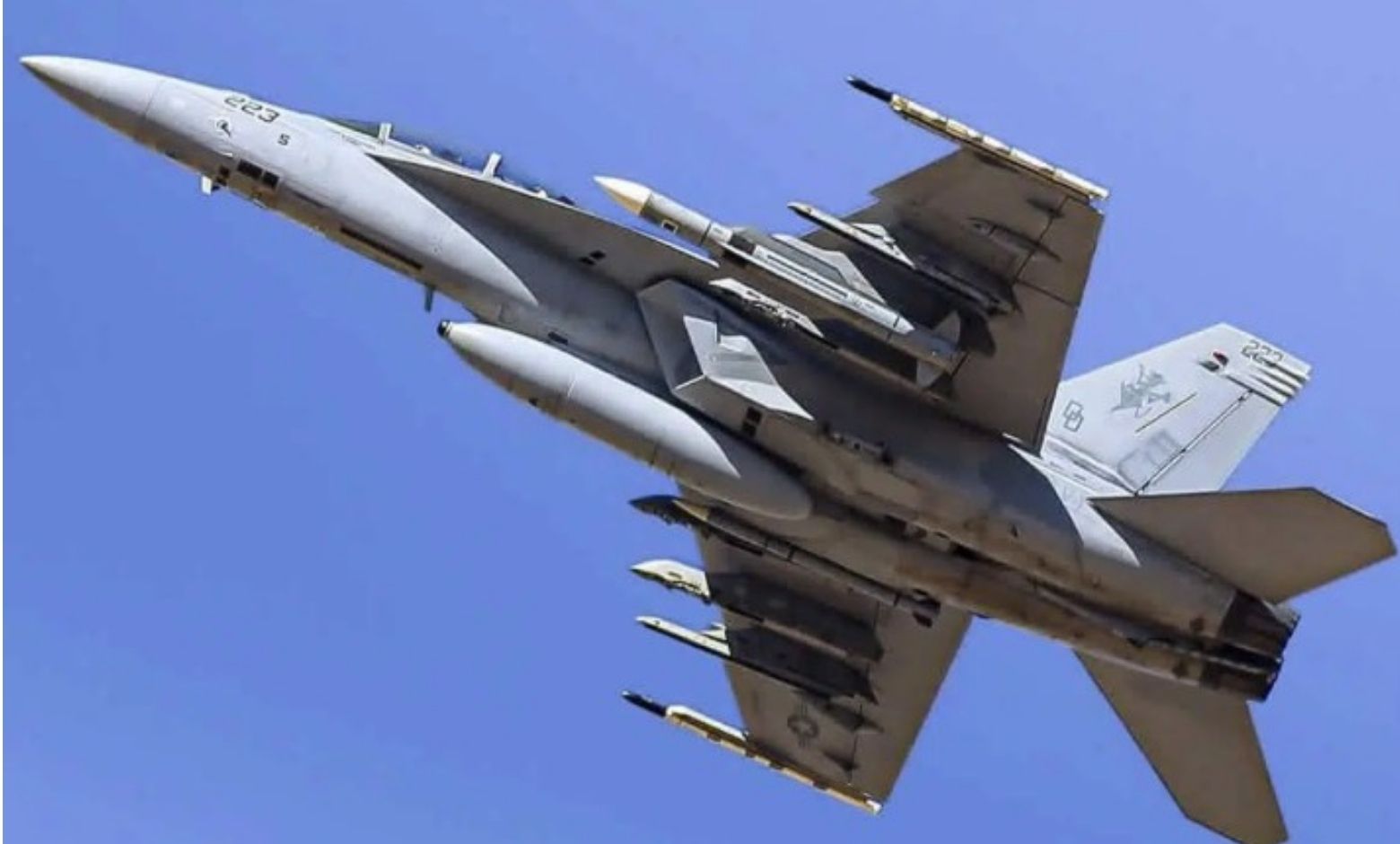
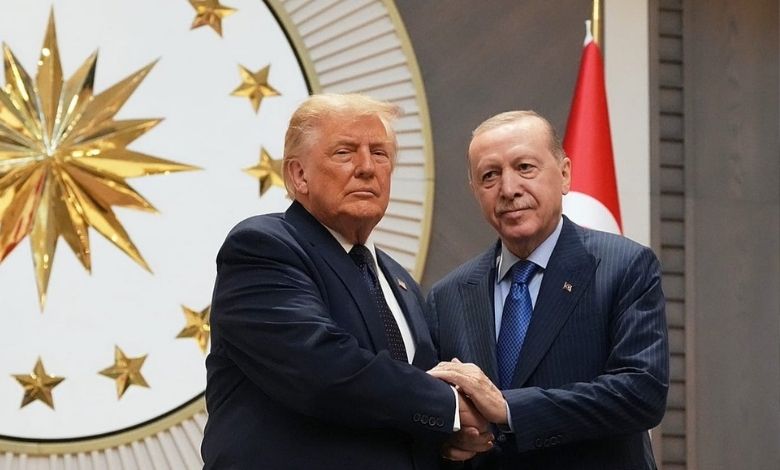
During the recent NATO Leaders Summit in Ankara, Presidents Recep Tayyip Erdoğan of Turkey and Donald Trump of the United States engaged in critical bilateral discussions that hint at a significant shift in their defense relations, particularly concerning the F-35 Lightning II program and the Countering America’s Adversaries Through Sanctions Act (CAATSA) measures.
President Erdoğan underscored that the F-35 program represented an ongoing dialogue, not a novel concern for Turkey, having been the subject of previous high-level engagements with the United States. He reiterated that Turkey had received assurances regarding five specific F-35 aircraft. Expressing confidence in a positive outcome, Erdoğan voiced his belief that a constructive resolution regarding the F-35 would emerge from the summit, affirming his trust in President Trump’s commitments.
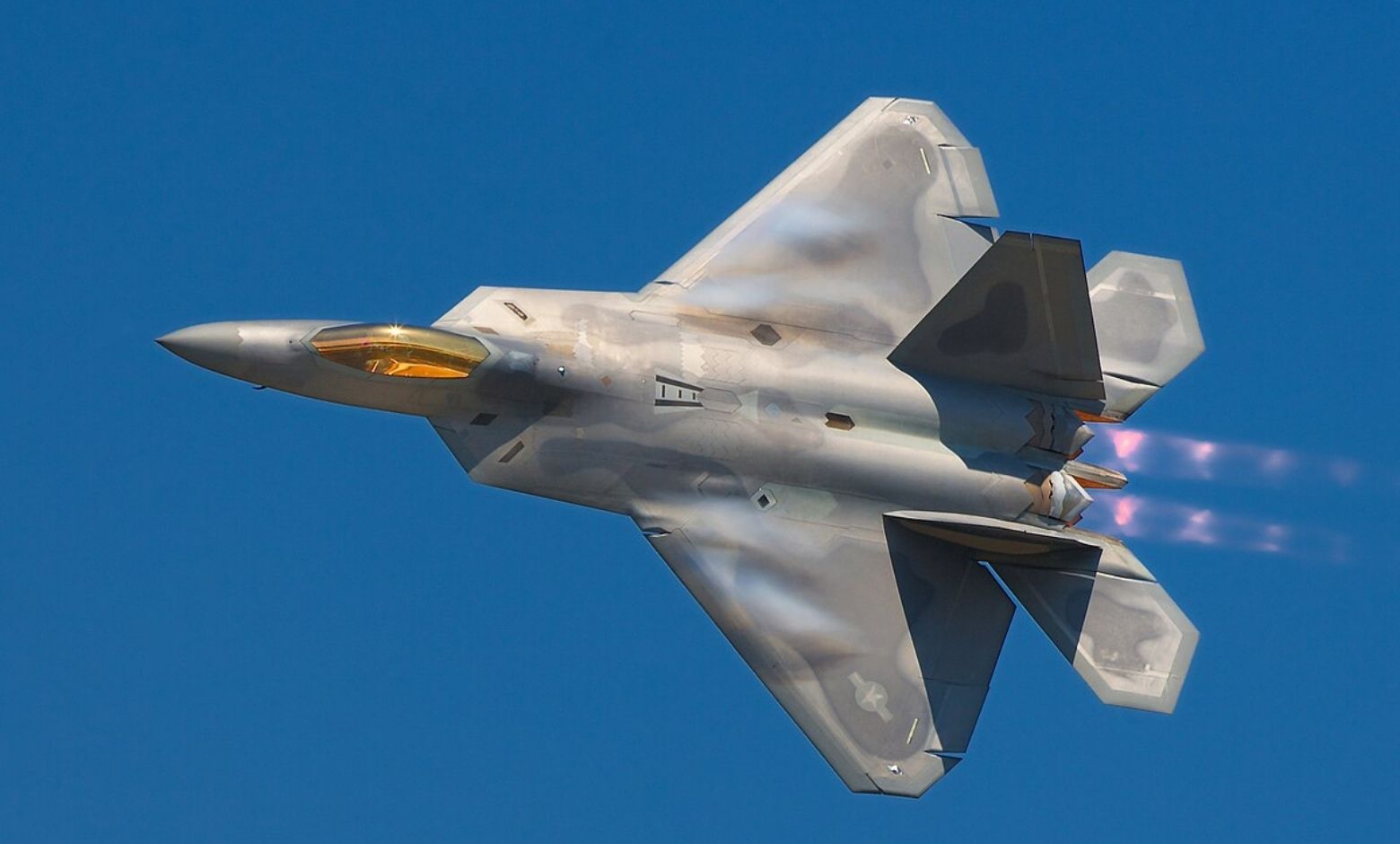
President Trump offered notable commentary on the F-35 program, highlighting the robustness of the US-Turkey relationship. He described the F-35 as “the best aircraft” and suggested that a decision was imminent. Trump rhetorically questioned the rationale for withholding F-35 deliveries, citing Turkey’s perceived loyalty compared to other nations, and affirmed that the matter would be duly considered. He further characterized the proposed path forward as “one of the best plans put forward so far,” signaling a strong intent for evaluation.
Addressing questions on the CAATSA sanctions imposed on Turkey, President Trump delivered a conciliatory message. He declared the impending lifting of “embargoes on Turkey,” stating, “We do not want our friends to be under embargo.” This statement signals a potential significant policy reversal regarding the punitive measures.
As a long-standing joint program partner, Turkey had initially placed an order for 30 F-35A Lightning II fifth-generation fighter jets for the Turkish Air Force. Production had been completed for five of these aircraft, bearing tail numbers 18-0001 through 18-0005. The first F-35 was formally handed over in June 2018, with the inaugural flight by a Turkish pilot occurring in August 2018. These five aircraft have since remained in storage in the United States for approximately eight years. However, following Turkey’s acquisition of the Russian-made S-400 air defense system, the US officially suspended Turkey from the F-35 program in 2019, halting all further deliveries and participation.
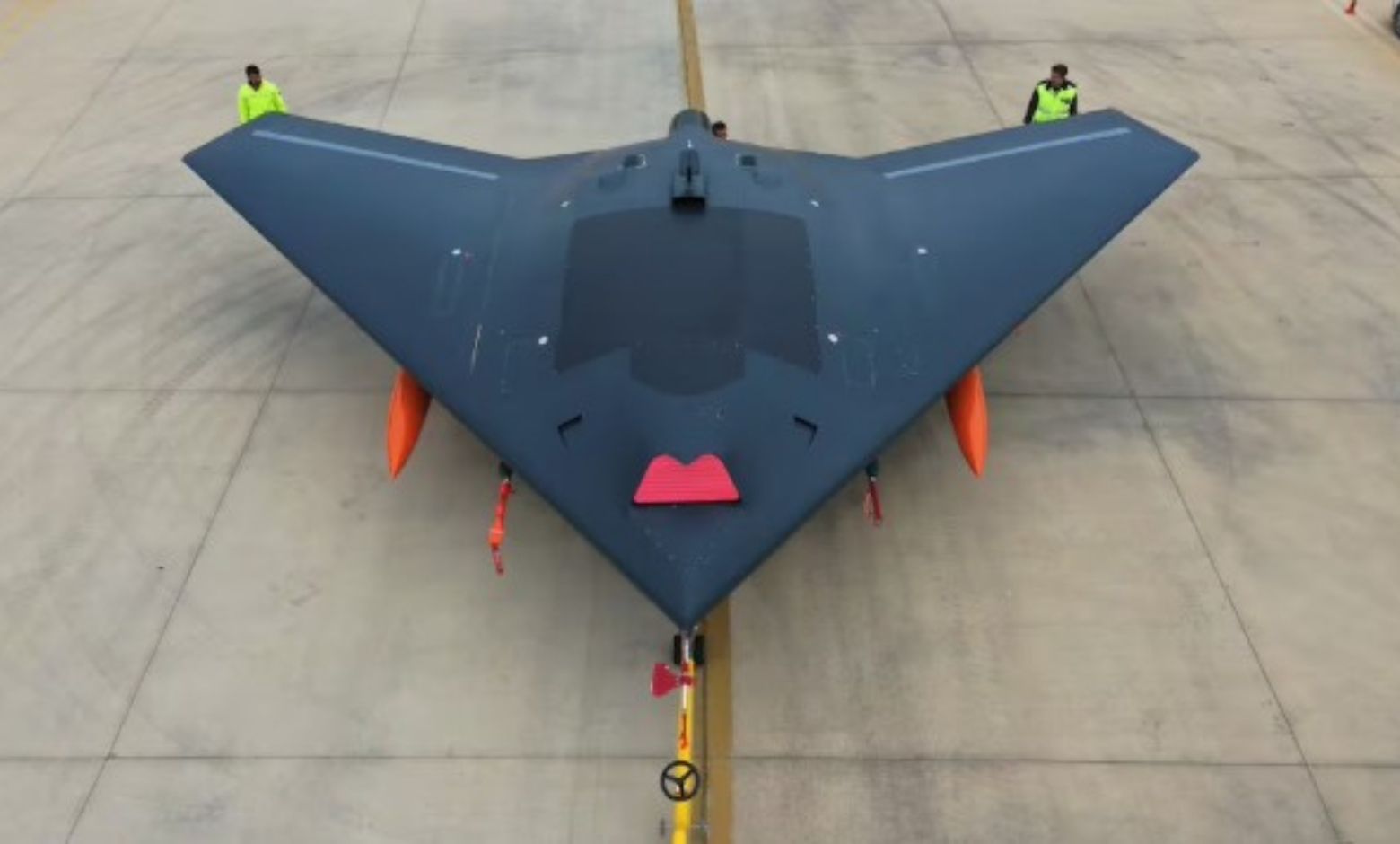
Beyond the F-35, President Erdoğan also revealed that the critical issue of engine procurement for Turkey’s indigenous National Combat Aircraft, KAAN, would be on the agenda for his discussions with President Trump at the NATO Summit. Erdoğan recalled prior engagements on this subject with Trump, expressing anticipation for a positive announcement from the US President, for which he would convey gratitude at the summit. President Trump, in turn, addressed the broader responsibility for the maintenance and sustainment of US-origin military aircraft. He affirmed that if a nation purchases and operates US aircraft, providing their maintenance remains a US responsibility, implying a continued commitment to support.
Disclaimer: This content has been aggregated and reported by our automated systems.

admin