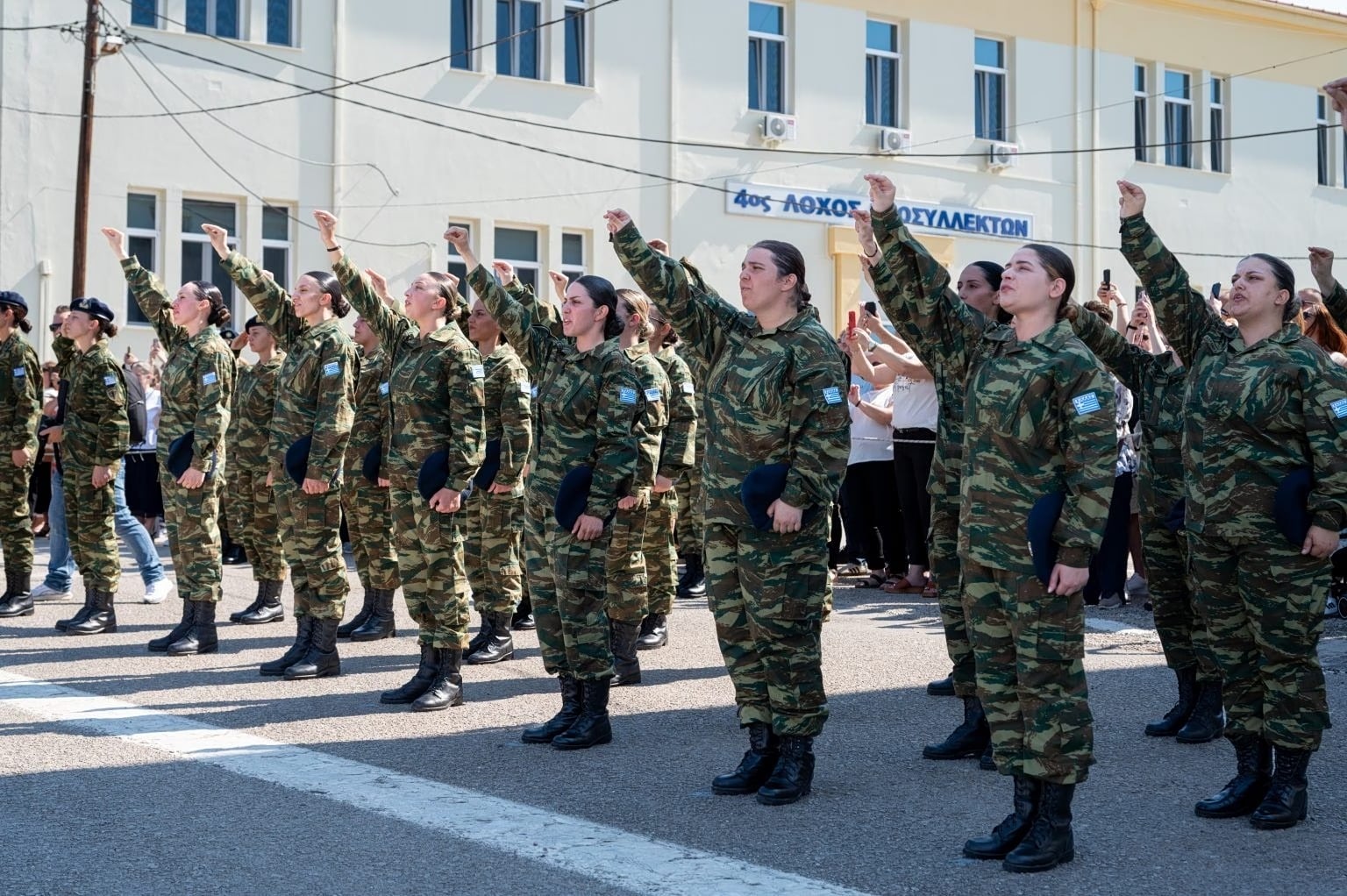
The Hellenic Armed Forces are set to undergo a comprehensive modernization and fiscal efficiency initiative, aiming to generate over €1.1 billion in savings within five years. Unveiled by Defense Minister…
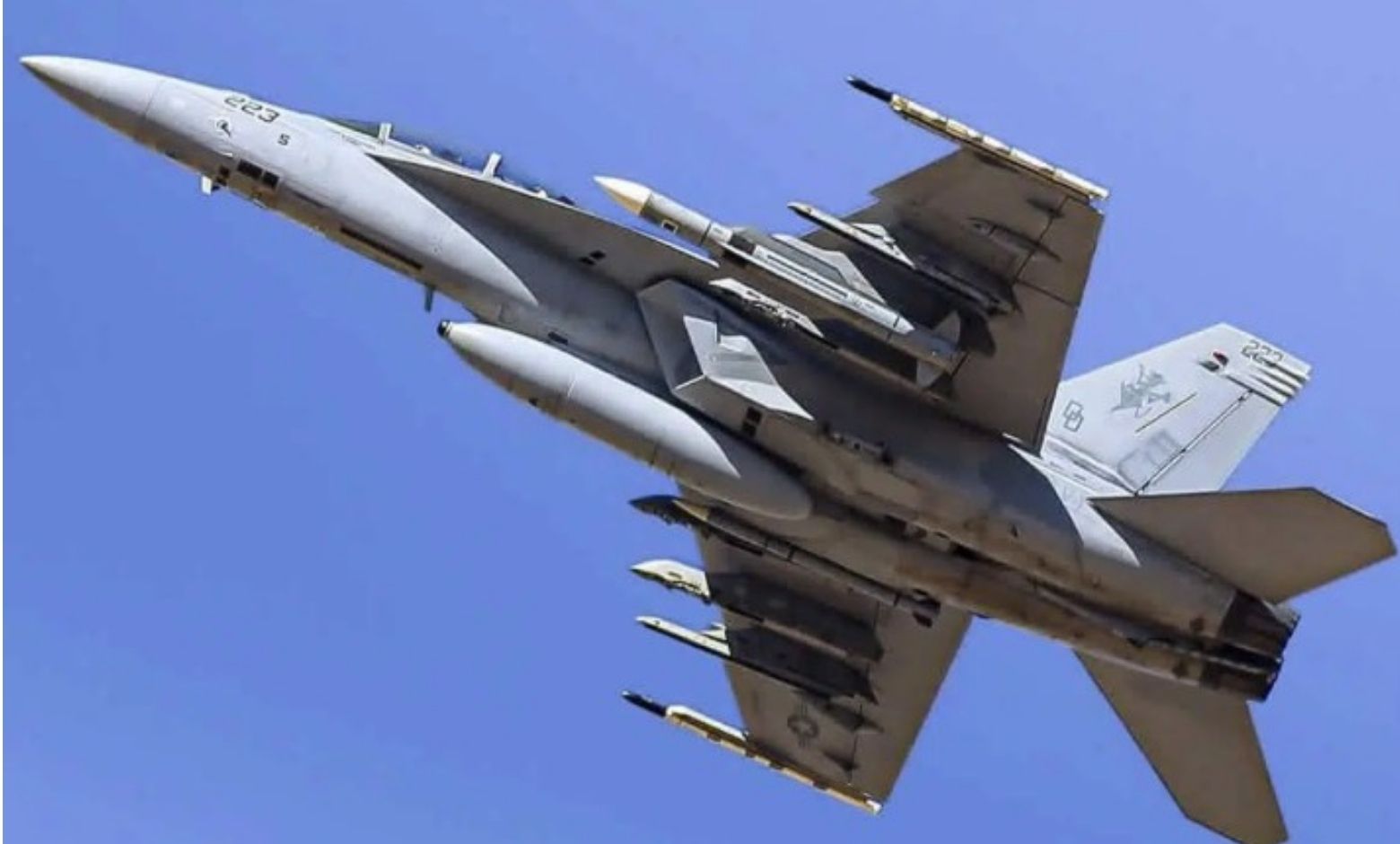
The U.S. Navy recently marked a significant development in aerial combat capabilities as an F/A-18F Super Hornet, assigned to Test and Evaluation Squadron VX-31, was observed simultaneously carrying two distinct…
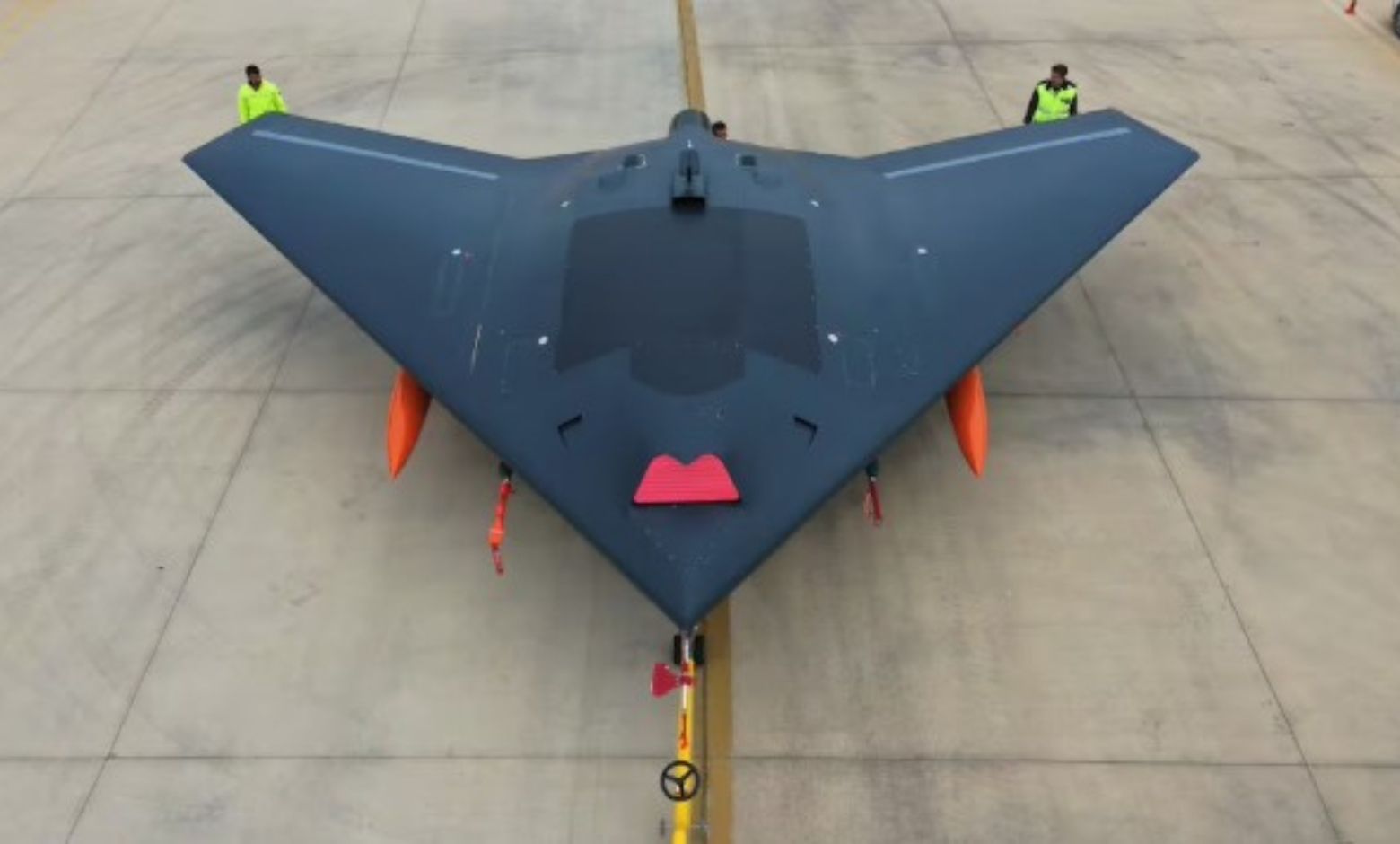
Turkish Aerospace Industries (TUSAŞ) is significantly ramping up its production capabilities for the ANKA-3 Unmanned Combat Aerial Vehicle (UCAV), having received firm orders for 80 units. The company confirmed that…
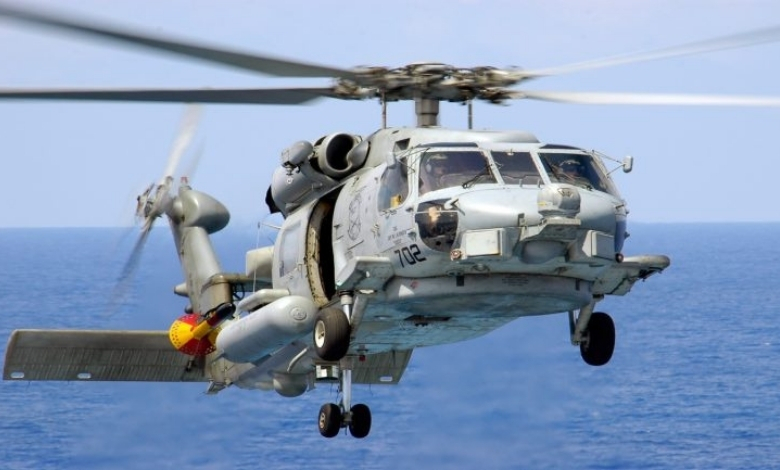
New Zealand has formally entered into a significant procurement agreement with the United States for the acquisition of advanced MH-60R Seahawk helicopters, a move poised to substantially bolster its capabilities…
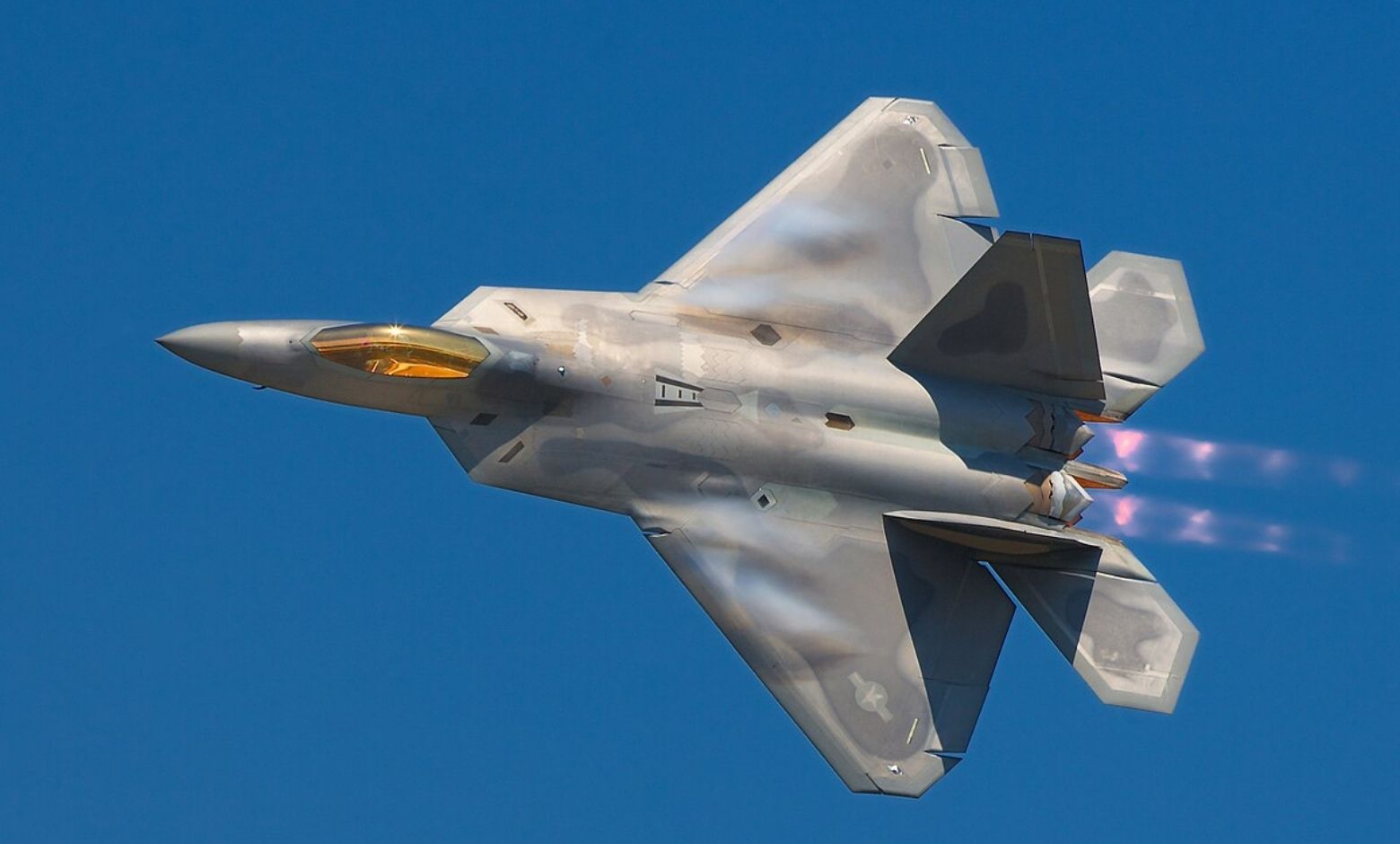
The United States Air Force has successfully conducted its inaugural in-flight command and control test of an YFQ-44A Fury unmanned combat aerial vehicle (UCAV) directly from the cockpit of an…
STM, a vanguard engineering firm within the Turkish defense industry, has achieved a globally unprecedented feat in autonomous swarm technology. During the EFES-2026 exercise, the largest joint military drill conducted by the Turkish Armed Forces, a swarm comprising 20 KARGU loitering munitions successfully engaged and neutralized designated targets using live explosive warheads – a first-ever occurrence within a military exercise scenario worldwide.
Operating under the aegis of the Turkish Presidency of Defense Industries (SSB), STM Savunma Teknolojileri Mühendislik ve Ticaret A.Ş. showcased its advanced capabilities in autonomous systems and swarm UAV technology at the EFES-2026 event. The Elite Observer Day, held at the İzmir Seferihisar Doğanbey Training Area and attended by over 10,000 personnel from 50 nations, was the stage for this significant demonstration. On the evening of May 20, 2026, during the night phase of the exercise, STM’s KARGU loitering munitions, already in active service with 15 countries, executed a coordinated simultaneous strike on designated targets, powered by a sophisticated swarm intelligence infrastructure.
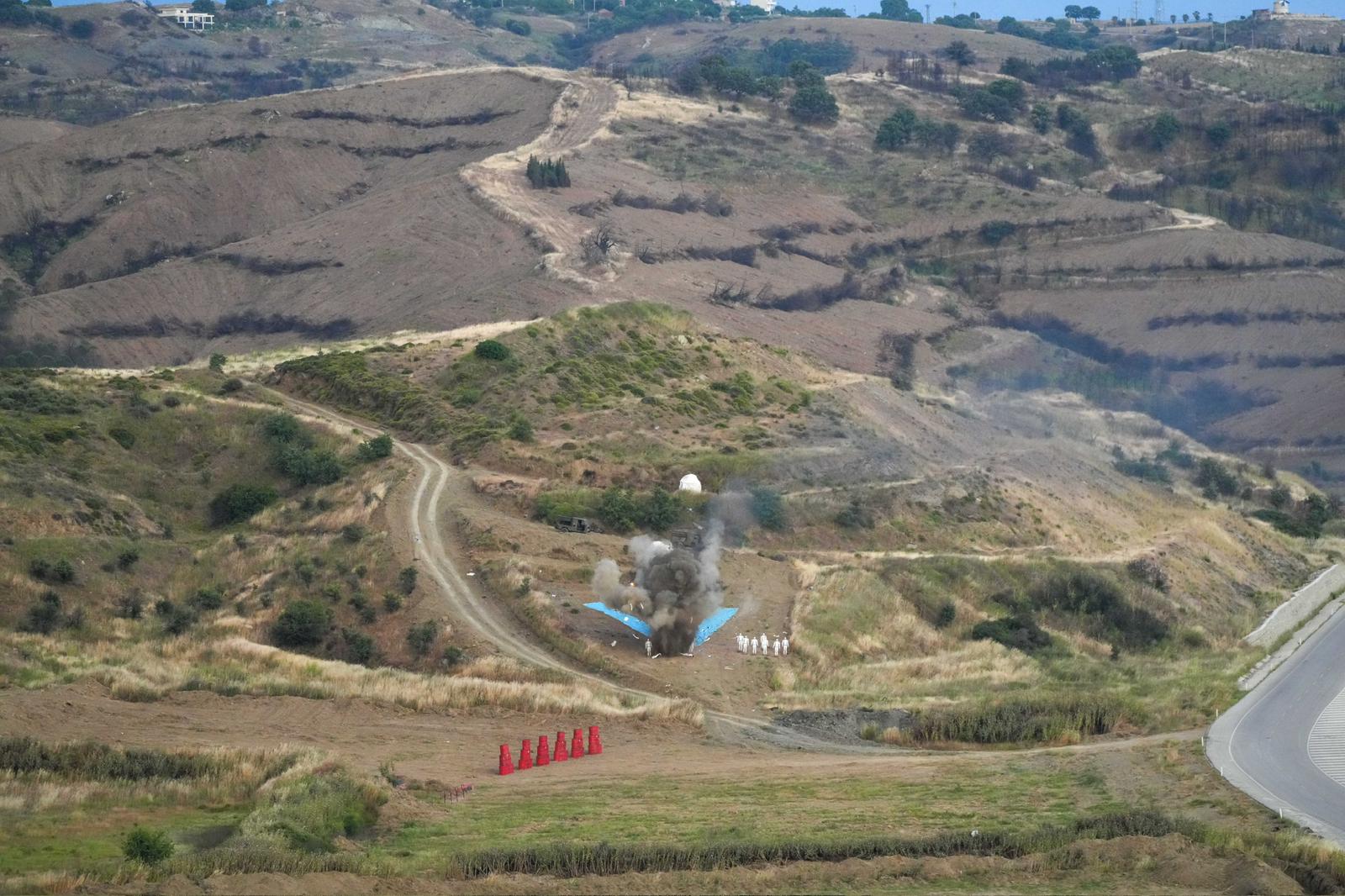
The 20 KARGU units, equipped with entirely national algorithms and a distributed architecture for their swarm intelligence, autonomously navigated to the target area under the control of a single operator. In a live-fire phase designed to replicate genuine combat conditions, the KARGU swarm demonstrated autonomous target detection and classification. Through real-time communication and target sharing enabled by swarm intelligence, the UAVs launched a synchronized saturation attack, successfully detonating their anti-personnel warheads directly on targets. This operation has been officially recorded in global military literature as the inaugural instance of a live-munition swarm operation conducted by loitering munitions within an exercise environment.
The historical operation during EFES-2026’s Elite Observer Day was witnessed firsthand by Minister of National Defense Yaşar Güler, Chief of General Staff General Selçuk Bayraktaroğlu, service commanders, and high-ranking military delegations from various nations. STM’s demonstration of this “game-changing” capability garnered significant acclaim from international military observers and command echelons. The exercise not only underscored the advanced operational maturity of swarm systems in modern warfare but also spotlighted Turkey’s profound expertise in autonomous warfare technologies.
Özgür Güleryüz, General Manager of STM, emphasized that this global success at EFES-2026 solidifies Turkey’s technological leadership. He stated, “Following successful field tests conducted in Ankara in January 2026, we have now taken this capability a step further at EFES-2026, marking a world first in defense history. The autonomous destruction of targets by our 20-unit KARGU swarm is a source of immense pride, not just for STM, but for the entire Turkish defense industry. The successful execution of a swarm drone attack of this scale in an exercise environment for the first time globally further strengthens our nation’s pioneering position in defense technologies. With this operation, we have proven that in the fields of swarm intelligence and autonomous systems, Turkey is not merely a follower, but a standard-setter and an innovator. We will continue to achieve global firsts with our game-changing technologies and enhance the power of our valiant Armed Forces.”
Thanks to STM’s proprietary algorithms and software, the tactical UAVs within the STM swarm system can communicate in real-time, performing target detection, sharing, and prioritization to execute coordinated swarm attacks. STM’s distributed swarm intelligence architecture allows each UAV to make mission decisions independently, without reliance on a central control unit. This distributed control ensures mission continuity even if a component of the swarm is disabled, significantly enhancing mission success rates. Swarm systems, under the saturation attack doctrine, aim to overwhelm and neutralize enemy defense systems by coordinating numerous UAVs to navigate to the target area simultaneously. STM’s algorithms enable the UAVs within the swarm to engage targets appropriate for their specific munition types; for instance, UAVs carrying anti-personnel or armor-piercing warheads can autonomously differentiate and engage human or vehicle targets accordingly. The developed systems also allow for real-time addition or removal of new UAVs, updating tasks, and dividing the swarm into sub-swarms to perform diverse sub-missions within the operational area.
STM had previously demonstrated its swarm UAV capabilities in field tests conducted in Polatlı, Ankara, in January 2026. A 20-unit KARGU swarm, utilizing entirely national algorithms and controlled by a single operator, had autonomously struck targets with live munitions with pinpoint accuracy, setting another precedent.
Known colloquially as “kamikaze UAVs,” the KARGU loitering munition was developed domestically by STM using national resources. Integrated into the Turkish Armed Forces inventory in 2018, KARGU is actively deployed by various Turkish security forces, including the TAF, for counter-terrorism, special operations, and cross-border missions. Having proven its efficacy across diverse geographical and terrain conditions, KARGU has been exported to 15 countries on four continents. Field personnel can quickly swap KARGU’s anti-personnel warhead for an armor-piercing variant based on immediate situational needs. With its low Radar Cross-Section (RCS), making it difficult to detect in enemy territory, KARGU can be easily transported by a single soldier and set up for operation within one minute. Its integrated artificial intelligence, image processing capabilities, low acoustic signature, and precise delivery of its explosive payload provide a significant element of surprise and operational superiority. Equipped with advanced electro-optical and infrared (EO/IR) cameras, KARGU is capable of effective day and night operations, boasting an endurance of over 30 minutes and a range of 10 km. KARGU units are also designed for swarm operations and, with STM-developed software, can operate independently of GNSS in electronic warfare environments.
Disclaimer: This content has been aggregated and reported by our automated systems.
Hellenic Armed Forces Initiate Sweeping Restructuring Program, Targeting Billion-Euro Savings for Modernization and Personnel Welfare
The Hellenic Armed Forces are set to undergo a comprehensive modernization and fiscal efficiency initiative, aiming to generate over €1.1 billion in savings within five years. Unveiled by Defense Minister…
US Navy F/A-18F Super Hornet Tests Novel Dual Air-to-Air Missile Configuration
The U.S. Navy recently marked a significant development in aerial combat capabilities as an F/A-18F Super Hornet, assigned to Test and Evaluation Squadron VX-31, was observed simultaneously carrying two distinct…

admin