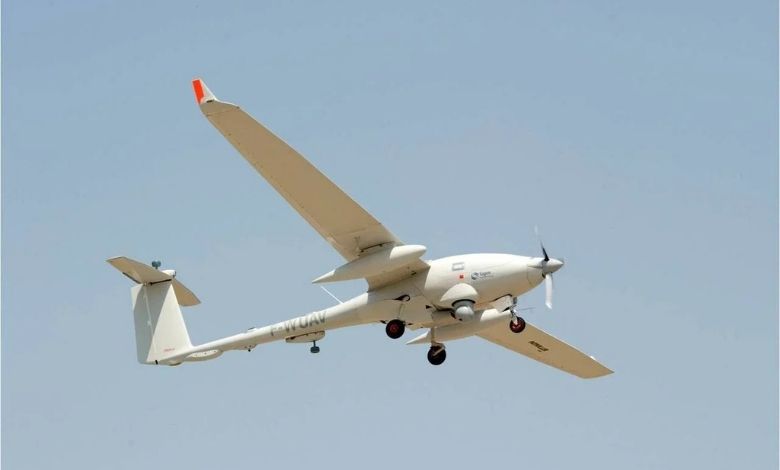
Greece’s ambitious acquisition program for the French-made Patroller Unmanned Aerial Vehicle (UAV) is facing a critical re-evaluation, primarily driven by persistent technical issues and significant delivery delays. According to reports in the Greek press, Athens is exploring alternative solutions to meet the Hellenic Army’s critical Intelligence, Surveillance, and Reconnaissance (ISR) requirements, though a complete cancellation of the program has not yet been announced.
The program, valued at approximately $64 million, initially aimed for Greece to procure four Patroller UAV systems through the NATO Support and Procurement Agency (NSPA). The contract, signed on June 19, 2023, targeted initial deliveries by the end of 2024. However, by the close of 2025, only a single prototype platform has successfully completed flight testing. This protracted development timeline starkly contrasts with the rapid progression seen in platforms like the Bayraktar TB2 or Bayraktar AKINCI.
A primary concern for Greece is the risk of the system becoming technologically obsolete before it even reaches operational units. A significant factor contributing to the program’s reassessment is the protracted delay in Link-16 datalink integration. Athens had stipulated full compatibility with NATO’s joint operational infrastructure as a non-negotiable requirement. However, technical challenges and schedule slippages concerning the Link-16 terminal intended for the platform have severely hampered the program’s advancement. For Greece, achieving full interoperability is crucial, not merely for data exchange but for seamless, real-time ISR operations fully integrated into the broader NATO network.
Further escalating Athens’ apprehension is France’s recent decision to cancel its own order for the Patroller platform. The French government’s procurement of the Safran Electronics & Defense-developed system was terminated in April 2026, following approximately six years of delays. French military sources reportedly characterized the platform as “too slow, large, and easily detectable in a modern battlespace.” Concerns have been particularly heightened regarding the platform’s survivability in contemporary operational environments, especially those characterized by intense electronic warfare (EW) threats. This development poses substantial long-term risks for Greece, encompassing logistical support, spare parts availability, and the overall sustainability of the platform. The notable absence of other robust international customer interest has also amplified Athens’ reservations.
Despite these growing concerns, some factions within Greek military circles maintain that the Patroller platform could still offer an adequate solution for the Army’s ISR needs, particularly for low-intensity reconnaissance and surveillance missions. Nevertheless, its viability and mission effectiveness in high-threat environments remain a subject of considerable debate.
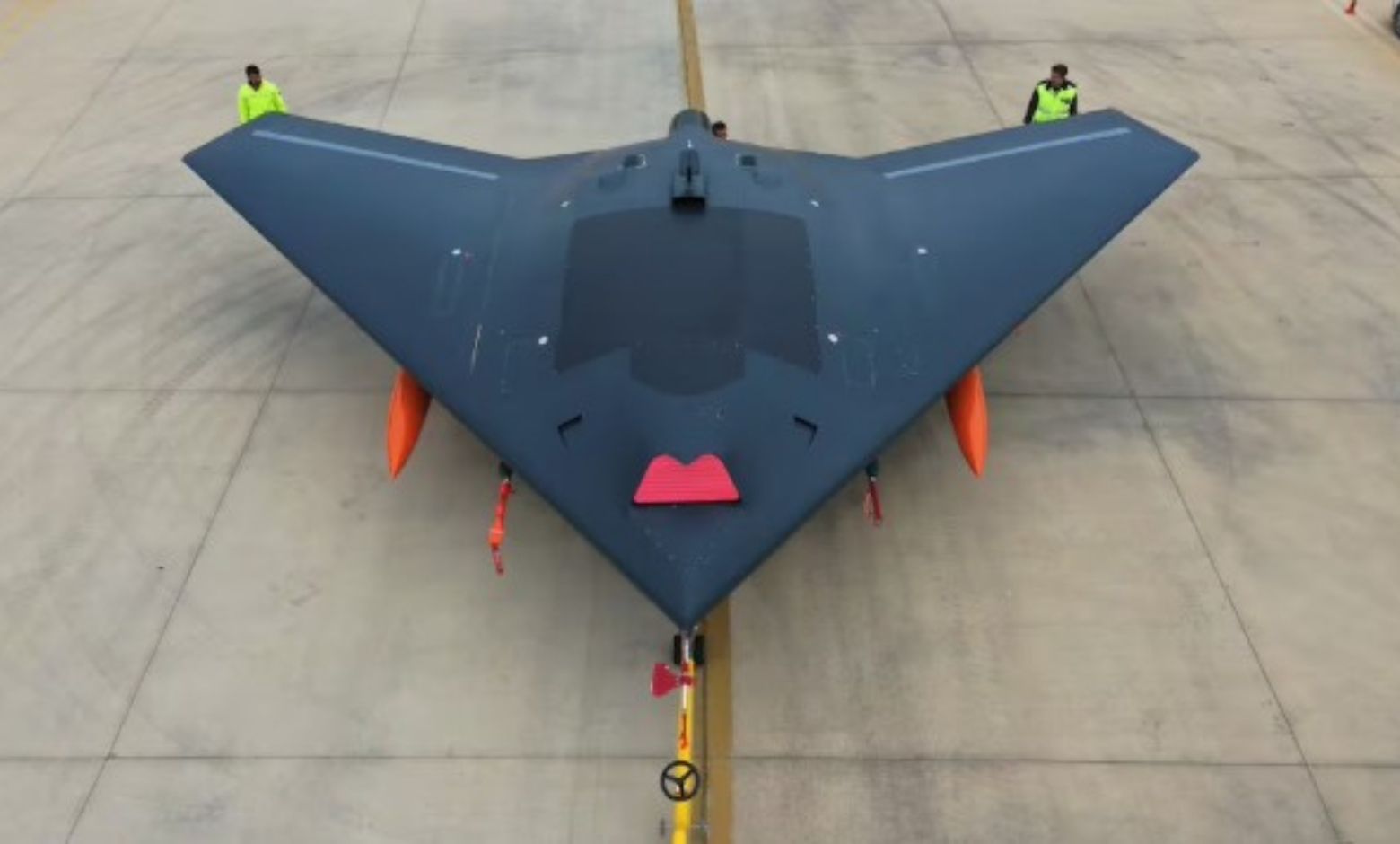
Adding another layer of complexity to the discussion in Greek media is the recently announced strategic cooperation agreement between Safran Electronics & Defense and Turkish aerospace manufacturer Baykar. Unveiled at SAHA 2026, this agreement details Safran’s provision of its advanced Euroflir electro-optical (EO) systems and navigation technologies for integration into Baykar’s platforms. Greek analysts suggest this collaboration could significantly bolster Baykar’s access to European EO technology and enhance the Turkish defense industry’s competitive stance in the European UAV market. The potential integration of Euroflir systems onto Baykar platforms such as the Bayraktar TB2, Bayraktar AKINCI, and the jet-powered Bayraktar KIZILELMA is being closely monitored in Athens.
While the Patroller program has not been officially canceled, the cumulative impact of ongoing delivery delays, France’s withdrawal, operational suitability debates concerning modern warfare, and the wider implications of the Safran–Baykar partnership have undeniably prompted Greece to actively consider alternative ISR platform options. Athens’ ultimate decision regarding the continuation of the current program will hinge on comprehensive evaluations of technical progress, cost implications, adherence to delivery schedules, and the platform’s overall operational adequacy in the evolving defense landscape.
Disclaimer: This content has been aggregated and reported by our automated systems.


admin