In a pivotal shift for its defense industry and maritime strategy, South Korea has officially initiated its long-anticipated nuclear-powered submarine (NPS) program, aiming to significantly enhance its naval capabilities amidst burgeoning nuclear threats from North Korea and China’s expanding influence in the Pacific. Seoul’s announcement marks a historic divergence in its military doctrine, confirming the commencement of legal and industrial processes required to establish a fleet of nuclear-propelled submarines.
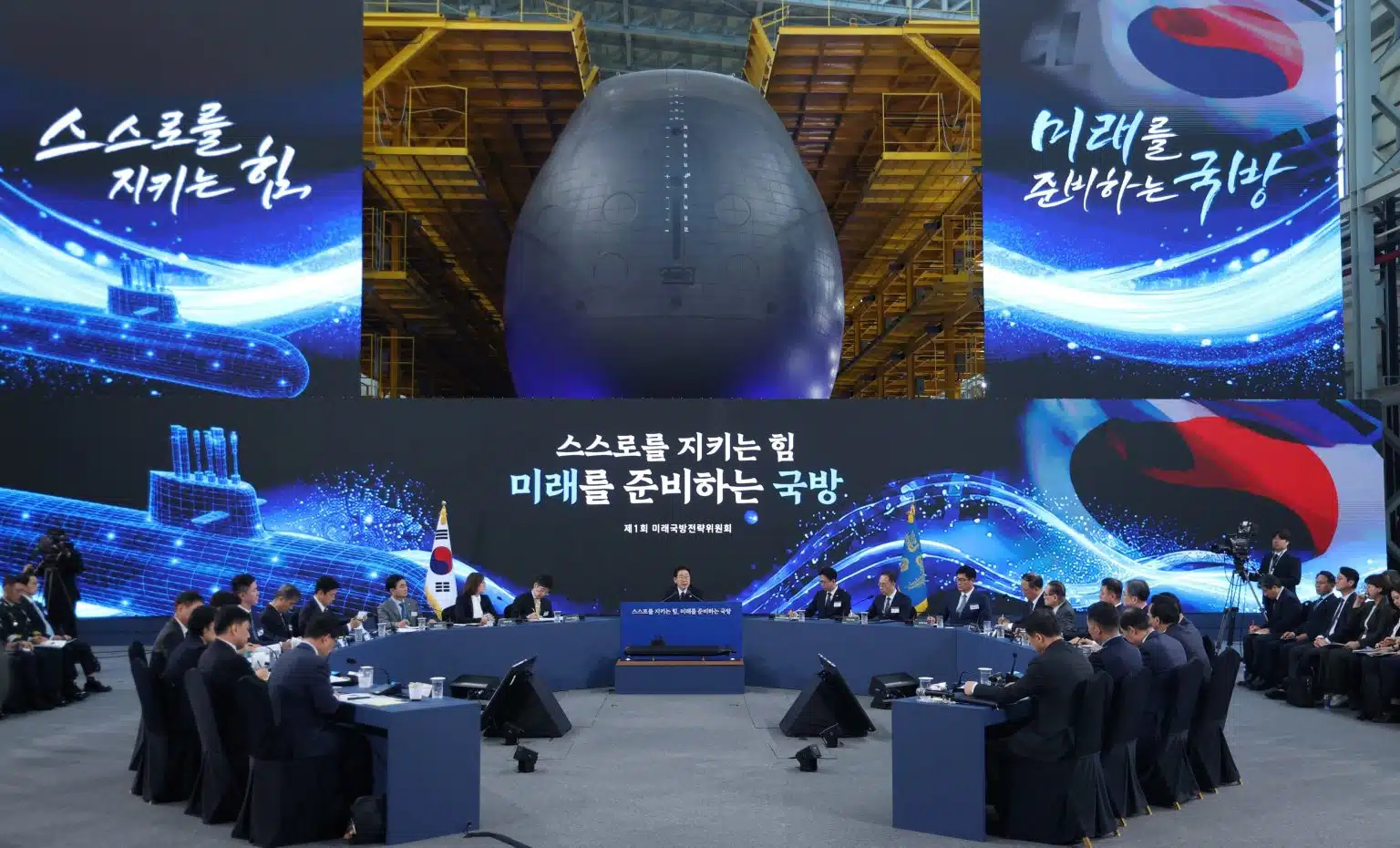
The “Jangbogo-N Project,” as the program is designated, was publicly unveiled at the “Future Defense Strategy Committee” meeting held in Jinhae on May 26, 2026. This ambitious initiative outlines a decade-long roadmap, targeting the launch of the nation’s inaugural nuclear-powered submarine by the mid-2030s, with full operational readiness anticipated before 2040. Government projections detail a comprehensive 40-year industrial lifecycle for the project, encompassing construction, reactor maintenance, fuel management, and eventual decommissioning. This extensive undertaking is expected to generate over 40,000 long-term positions across specialized fields such as reactor engineering, nuclear-qualified welding, shipyard modernization, and radiological safety.
The South Korean Navy’s vision for acquiring nuclear submarines is not a recent decision but rather the culmination of years of institutional memory and strategic deliberation within its military bureaucracy. Reports, including those from Army Recognition, indicate that the Jangbogo-N Project traces its origins back to “Project 362,” a covert initiative launched under the Roh Moo-hyun administration in 2003, which was subsequently shelved.
Dubbed a “national strategic project,” the plan underscores the vastly superior operational capabilities of nuclear-powered submarines compared to their diesel-electric counterparts, particularly their extended underwater endurance and enhanced mobility. As highlighted by Breaking Defense, the strategic blueprint explicitly states: “Submarines will play a fundamental role in responding to threats such as North Korea’s submarine-launched nuclear and missile capabilities.”
Crucially, South Korea has affirmed its commitment to nuclear non-proliferation obligations. The plan specifies that Seoul will procure low-enriched uranium from the United States and establish a collaborative security oversight mechanism with the International Atomic Energy Agency (IAEA). Despite seeking NPS technology for over three decades, the South Korean government secured approval for the use of U.S. nuclear propulsion technology from then-President Donald Trump only in October of the preceding year. This move signifies a profound transformation of South Korea’s naval assets and its regional defense posture.
Disclaimer: This content has been aggregated and reported by our automated systems.


admin