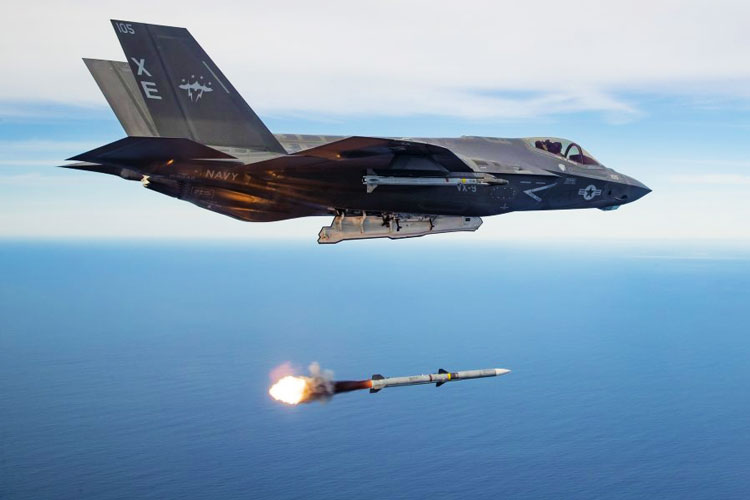
The United States Department of State has given its official endorsement for a substantial Foreign Military Sales (FMS) package to South Korea, valued at an estimated $292 million. This significant acquisition, centered around the cutting-edge AIM-120C-8 Advanced Medium-Range Air-to-Air Missile (AMRAAM), is designed to materially enhance the Republic of Korea Air Force’s (ROKAF) air superiority and integrated air defense capabilities.
While the State Department has cleared this prospective sale, the transaction’s finalization remains contingent upon a mandatory review and approval process by the U.S. Congress.
The comprehensive package slated for South Korea includes 70 AIM-120C-8 AMRAAM missiles and two AMRAAM guidance sections. Beyond the munitions themselves, the deal encompasses a robust suite of ancillary components and services, such as specialized transport and storage containers, control sections, vital support equipment, spare parts, and dedicated technical assistance. Additionally, the FMS agreement incorporates essential weapon system support and associated software licenses to ensure seamless integration and operational readiness.
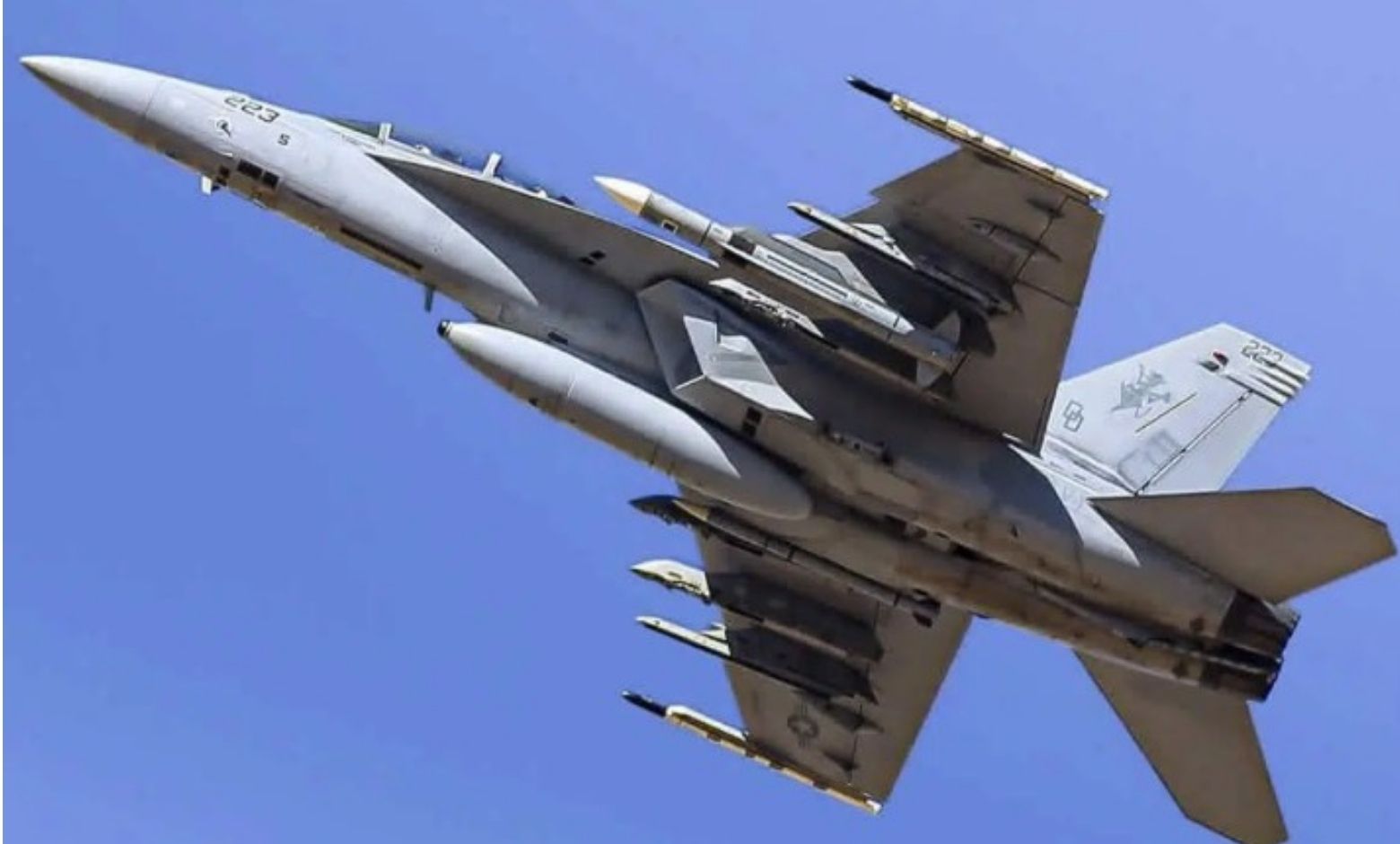
The AIM-120 AMRAAM family of missiles represents a cornerstone of modern aerial combat, renowned for its effectiveness in Beyond Visual Range (BVR) engagements. Fired from a wide array of combat aircraft, these missiles are among the most prevalent medium-range air-to-air armaments within the Western defense architecture. The AIM-120C-8 variant, developed by RTX Corporation, stands out for its advanced electronic architecture and updated software infrastructure, delivering superior operational performance compared to its predecessors. Its sophisticated features, including an active radar seeker, data-link supported mid-course guidance, and “fire-and-forget” capability, grant allied fighter platforms – such as the F-15, F-16, F/A-18, and F-35 – unparalleled engagement flexibility. With integration across more than 14 platforms and deployment by over 40 nations, the AMRAAM has consistently demonstrated its strategic value in both air-to-air combat and ground-based air defense roles, proving its mettle in active theaters globally.
According to the State Department’s declaration, this strategic acquisition will significantly bolster South Korea’s capacity to effectively counter both current and emerging aerial threats. Furthermore, the sale is expected to refine South Korea’s overall air defense posture, reinforce regional deterrence, and crucially, strengthen interoperability with U.S. forces, fostering greater collaborative operational synergy. Washington explicitly stated that the transfer would not disrupt the prevailing military balance within the Indo-Pacific region, nor would it adversely affect U.S. defense readiness levels.
This latest decision underscores a continuing pattern of robust defense cooperation between Washington and Seoul. Just last week, the U.S. administration approved a separate FMS package to South Korea, involving approximately $106 million worth of Joint Direct Attack Munition (JDAM) precision guidance kits and related equipment, signaling a deepening alliance in regional security efforts.
Disclaimer: This content has been aggregated and reported by our automated systems.


admin