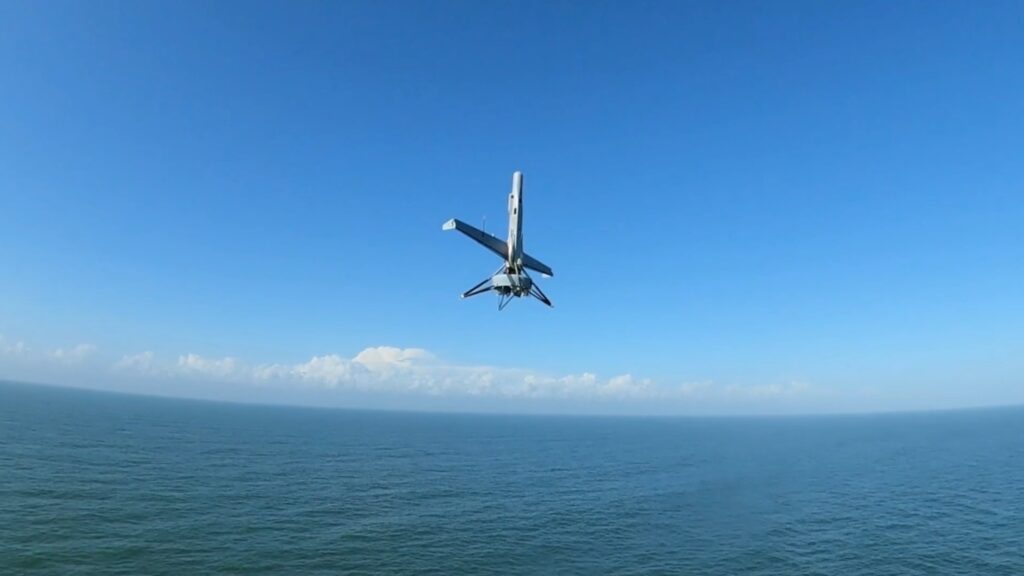
Defense technology giant Shield AI, one of the fastest-growing U.S. defense companies in recent years, is grappling with significant allegations concerning accidents and safety protocols related to its V-BAT vertical take-off and landing (VTOL) unmanned aerial system (UAS) program. An investigative report by Reuters claims that V-BAT platforms have been involved in over 50 incidents within the last 18 months, with further allegations suggesting that certain safety issues were intentionally withheld from customers.
Shield AI, which achieved an approximate valuation of $12.7 billion during an investment round in March, is a critical technology partner for the Pentagon, focusing on next-generation uncrewed systems and autonomous warfare capabilities. The latest reported incident, occurring on May 12 during a training exercise off the coast of Texas, involved Romanian Naval Forces personnel. During a Shield AI-conducted training session, an individual’s hand was caught in a V-BAT propeller, resulting in two severed fingers and a third fractured. Shield AI, however, maintains that this incident stemmed from a breach of established safety procedures rather than a product malfunction.
Citing discussions with internal sources and former employees, the Reuters report indicates that more than 50 of Shield AI’s approximately 200 modernized V-BATs in its internal fleet have been lost during testing or training activities over the past 18 months. The report referenced a past V-BAT hard landing incident during a NATO event in Portugal, and another prior crash in Texas that reportedly ignited a fire affecting over 40 acres. Countering these assertions, Shield AI stated that only 10 operational incidents have occurred with customer-operated systems since early 2025.
A whistleblower complaint reviewed by Reuters, filed by former product manager Jacob Miller, alleged that the company misrepresented technical issues to clients or provided incomplete information. Specifically, it was claimed that V-BATs were presented as conducting autonomous flights during demonstrations when they were, in fact, remotely piloted. Furthermore, the complaint suggested that data in some accident reports was modified to portray system performance more favorably. Shield AI has publicly refuted these allegations, stating they are untrue and that the company will mount a legal defense.
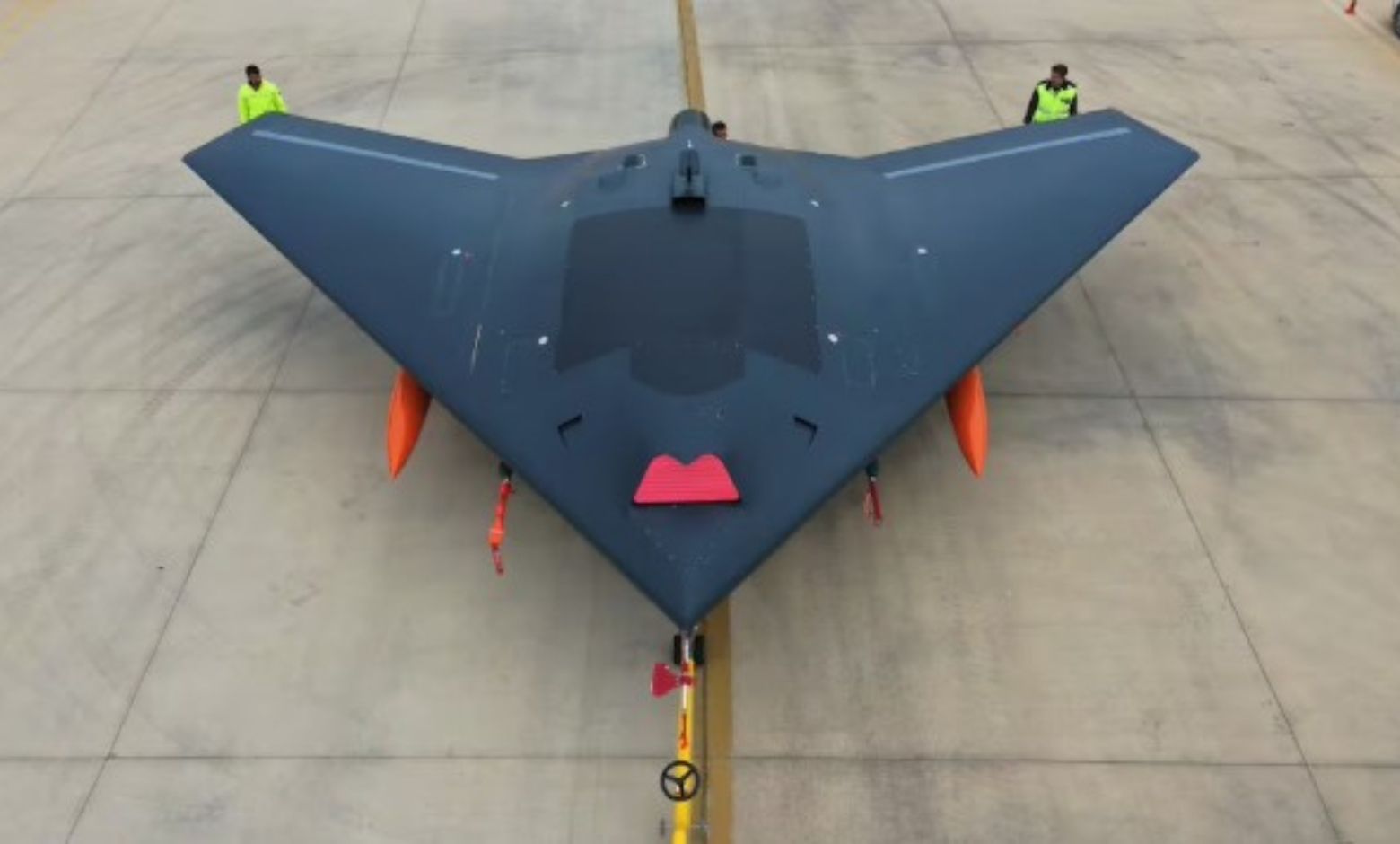
Despite the escalating controversy, Shield AI is pressing ahead with its next-generation X-BAT unmanned combat aerial vehicle (UCAV) project. Designed under the “loyal wingman” concept to operate alongside manned fighter jets, this program is estimated to cost around $30 million per unit. According to documents obtained by Reuters, Shield AI has sought $500 million in Pentagon support to develop four X-BAT prototypes by 2029. The U.S. Department of Defense recently confirmed a contract award to Shield AI for the X-BAT program. Notably, the X-BAT’s flight control architecture is expected to substantially leverage technologies developed through the V-BAT program.
In its statement to Reuters, Shield AI defended the V-BAT, asserting it is one of the most operationally experienced vertical take-off and landing UAVs currently in service, having accumulated over 18,000 flight hours across its fleet since 2019. The company characterized the majority of reported incidents as operational risks inherent to systems in this class.
Nevertheless, the allegations brought forth by Reuters have reignited critical discussions regarding the safety and quality assurance processes at Shield AI, a defense technology startup that has attracted significant Pentagon investment in recent years. The V-BAT has achieved considerable international export success, particularly after its operational deployment in Ukraine, being adopted by nations including Greece, Japan, the Netherlands, Romania, and India. However, the platform has also faced recurring technical issues and accidents. A recent incident involved a Greek V-BAT UAV crashing off the coast of Rhodes, resulting in a total loss. Despite this, the Hellenic Republic’s interest in the platform remains strong, with reports of Greece deciding to procure an additional 10 V-BATs and signing another agreement to expand its fleet for enhanced surveillance and reconnaissance capabilities in the Aegean Sea.
Disclaimer: This content has been aggregated and reported by our automated systems.


admin